Best time to visit in Vietnam
Peak Season: November to April
- Weather: Pleasant and dry. The south is sunny (30°C), while the north is cool and crisp (15°C–20°C).
- Travel Conditions: Excellent for outdoor activities, city tours, and boat trips; roads and attractions are easily accessible. Clear visibility for photography.
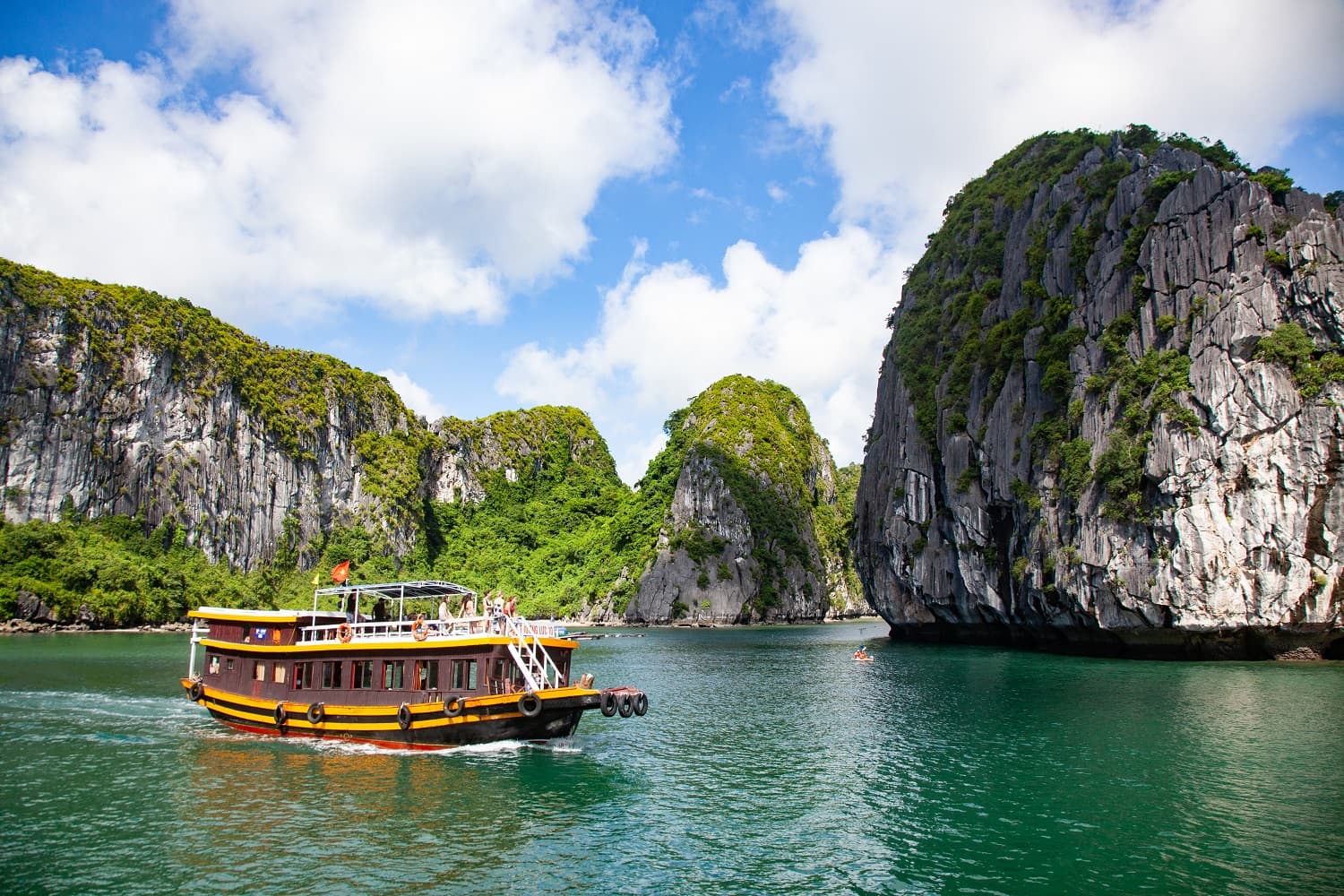
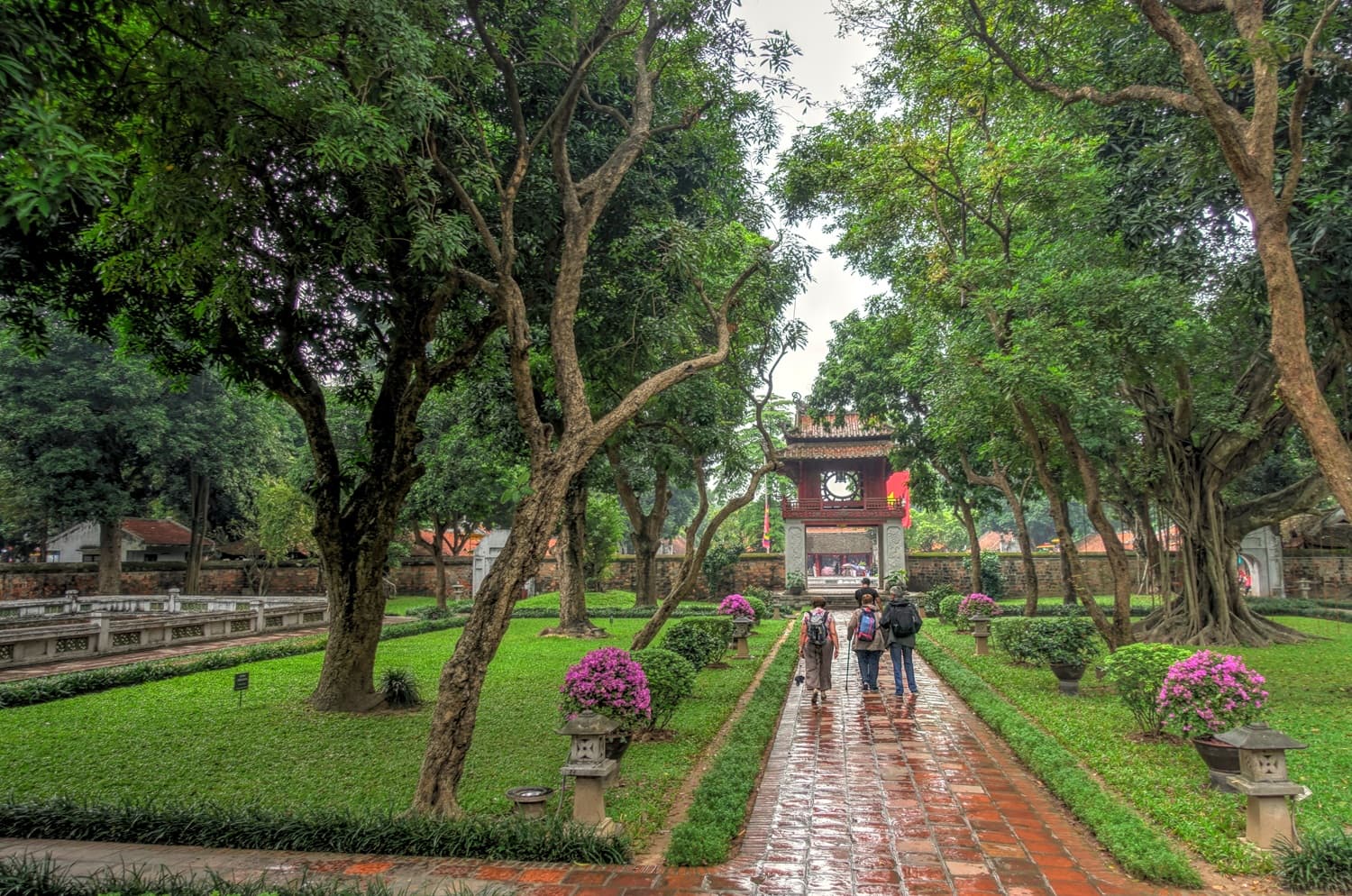
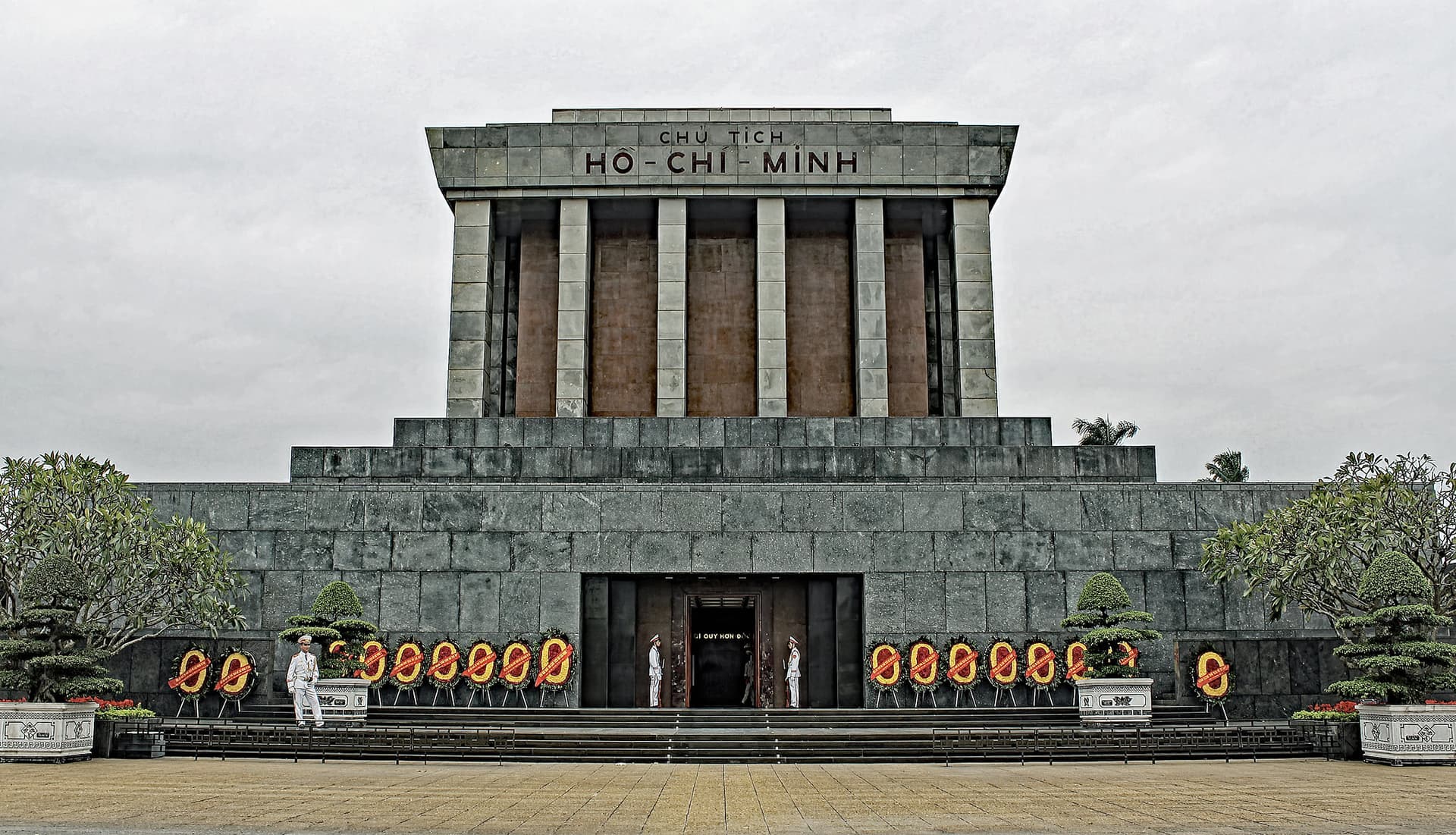
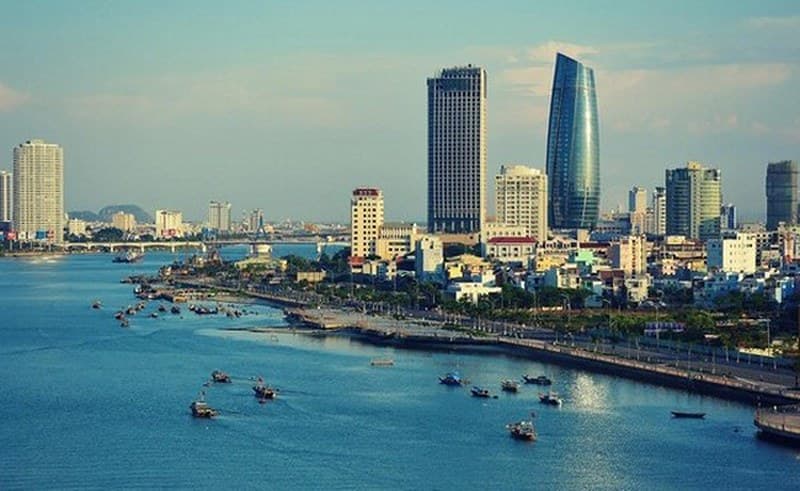
- Best Places to Visit: Hanoi, Halong Bay, Hoi An, Danang, Phu Quoc beaches, and Ho Chi Minh City.
- Crowd Levels: Tourist places are at their busiest, hotel prices are high, and attractions are packed. Christmas, New Year, and Tet Festival (late Jan–Feb) make crowds and prices even higher.
- Things to Note: This is the best time to visit Vietnam. Book early for the best rates. Tet 2026 falls on February 17. Expect heavy travel rush around these dates.
Shoulder Season: May and October
- Weather: Mixed. May sees the start of humidity in the north but stays sunny in the centre. October brings the first cool breezes to Hanoi but rain to Hoi An.
- Travel Conditions: There may be some rain, but you will still get sunshine. It normally does not cause travel problems.
- Best Places to Visit: Sapa (golden rice harvest in Sept/Oct); Halong Bay (clear skies in May); Ninh Binh.
- Crowd Levels: Moderate. Easier to explore without queues.
- Things to Note: Rates drop 15 to 30% below peak season. May is particularly hot in cities. Stay hydrated constantly. October brings occasional showers but far less than September. Good timing for photographers seeking dramatic lighting.
Off Peak Season: June to September
- Weather: Hot and humid nationwide. The south sees daily afternoon downpours. The central coast (Danang/Hoi An) remains sunny until late August.
- Travel Conditions: Halong Bay may have sudden cancellations. Beaches face waves. Cities remain comfortable.
- Best Places to Visit: Danang & Hoi An (best beach weather is now); Sapa (lush green rice fields); Ha Giang Loop.
- Crowd Levels: Low to moderate. Fewer international tourists, but domestic tourism peaks in June/July as Vietnamese kids are on school holidays.
- Things to Note: Ideal for off-season Vietnam Tour Packages, but expect wet weather challenges. Bring waterproof bags and clothes that dry quickly. Central Vietnam gets heavy rain from September to November, and ferries may be cancelled. But the green landscapes are perfect for photos.
Which Season is best for Your Trip?
Families
- December or April is the best time to visit Vietnam for families.
- The weather is not too hot for kids to walk around, and the seas in the south are calm for swimming.
- Comfortable temperatures, dry weather, and reliable schedules.
- All attractions are fully operational.
- Avoid June/July if you dislike crowds, as local families flock to beaches like Danang and Nha Trang.
Honeymooners
- February or March offers romance without the sweat. You can enjoy a luxury cruise in Halong Bay with misty, atmospheric mornings or sunbathe in Phu Quoc.
- Pleasant spring weather in the north, excellent beach conditions in the central region.
- Lantern streets in Hoi An and peaceful Phu Quoc beaches are perfect for couples.
Budget travellers
- May and September are your best months to visit Vietnam for budget travellers.
- Flights and hotels often drop prices by 30-40%.
- You get 5-star value for 3-star costs.
Adventure lovers
- September to November is the best time for trekking in Vietnam, especially in Sapa, when rice terraces turn golden.
- March to May for spring blooms.
- May to October for whitewater rafting when the rivers are full.
Solo Travellers
- November to March is perfect for meeting people.
- The north is good in spring (March–April) and fall (September–November).
- The south is best in the dry months from December to April.
- Central Vietnam is ideal from February to August.
Senior Travellers
- March and April are best.
- The bitter cold of the northern winter has passed, but the oppressive summer heat has not hit yet.
- It is comfortable for walking tours in the Imperial City of Hue.
Best Time Based on What You Want to Do
Best time for beaches
- Southern Vietnam: Phu Quoc: November to March is flawless.
- Central Vietnam: Danang, Nha Trang, & Hoi An: February to August is best.
- Avoid the Central Coast from October to December due to rough seas and typhoons.
Best time for Halong Bay
- March to April and September to November.
- These months offer the best chance of dry days and clear visibility for those iconic limestone photos.
- Pleasant weather, clear skies, and comfortable temperatures for cruising and kayaking.
- Summer (Jun-Aug) often brings storms that cancel cruises.
Best time for trekking in Sapa
- September to October is the best time to see the golden rice harvest and enjoy dry hiking trails.
- April to May is the next best time, with blooming flowers and green fields.
- Avoid the heavy rains from June to August.
Best time for culture and festivals
- January/February (Tet Holiday): See the country change with blooming flowers and bright red banners.
- Mid-Autumn Festival (September): Best enjoyed in Hoi An, where thousands of lanterns light up the river.
- Hue Festival: April, showcasing traditional arts.
- Hoi An Lantern Festival: monthly on full moon dates.
Best time for budget travel
- May, June, and September offer cheaper Vietnam Tour Packages and fewer tourists.
- These shoulder months offer the lowest flight and hotel rates while still giving you plenty of sunny days.
- October offers shoulder-season value with better weather.
Vietnam Weather by Month and Region
North Vietnam (Hanoi, Halong Bay, Sapa)
- November to March - winter season: Cool and dry. Sapa can drop to 0°C. Halong Bay can get misty, giving it a calm and beautiful look.
- May to September - summer season: Hot, humid, and rainy. Expect heavy downpours.
Central Vietnam (Danang, Hoi An, Hue)
- Jan to Aug - dry season: Hot and sunny. Perfect for beach lovers.
- September to December - Wet Season: Heavy rains and typhoon risks.
- Hoi An often floods in Oct/Nov.
South Vietnam (Ho Chi Minh City, Mekong Delta)
- November to April - Dry season: Average temperature 25 to 35°C year-round.
- Consistent temperatures year-round, either hot and dry or hot and rainy.
- May to October - Wet season: Hot with short, intense afternoon showers.
- The Mekong Delta floods in September and October.
Explore even more ways to discover Vietnam. Through the MakeMyTrip × Flamingo Travels partnership, you can browse a wider selection of Vietnam tour packages, offering diverse itineraries, trip durations and travel styles to help you find the holiday that best suits your preferences.

Top Tour Packages
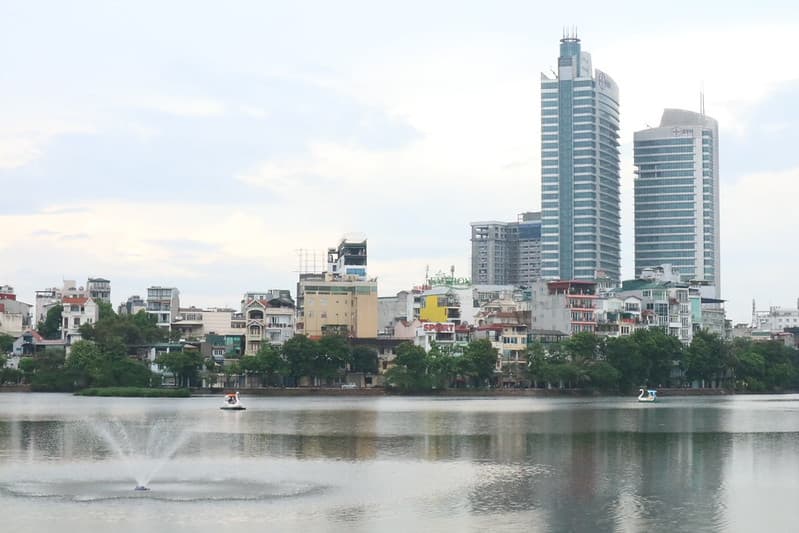
Vietnam Super Saver Tour
Ho Chi Minh City (2N), Da Nang (3N), Hanoi (2N)
Main + Internal Flight Included
₹1,03,620
per person- Jan
- Nov
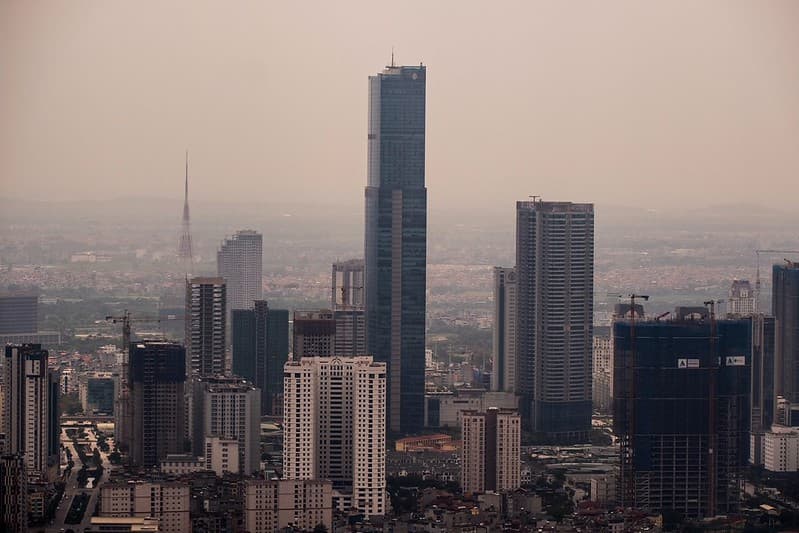
Marathi Special - Vietnam Saver Tour
Ho Chi Minh City (2N), Da Nang (3N), Hanoi (2N)
Main + Internal Flight Included
₹1,17,900
per person- Nov
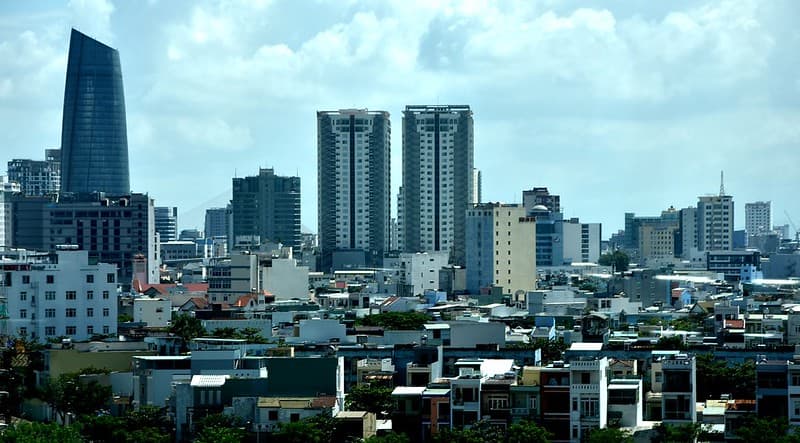
Vietnam Saver Tour
Ho Chi Minh City (2N), Da Nang (3N), Hanoi (2N)
Main + Internal Flight Included
₹1,26,900
per person- Dec
- Feb
- Jan
- Mar
- Nov
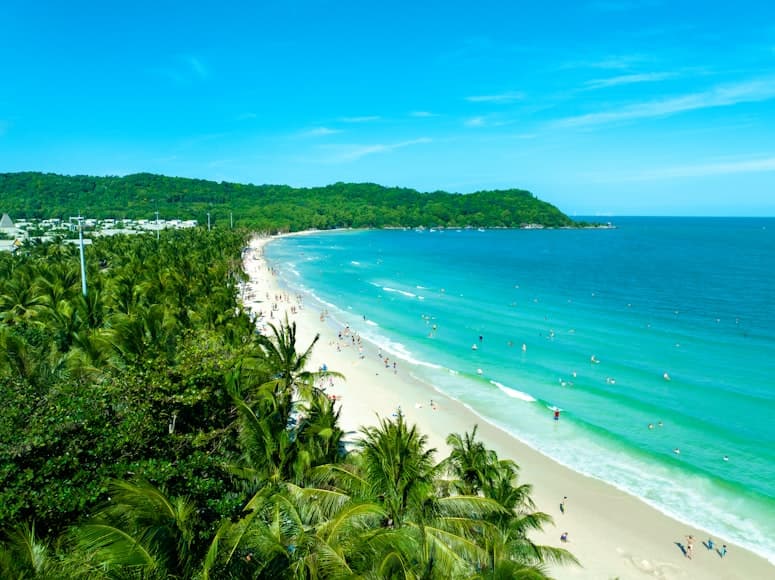
Escape Vietnam with Phu Quoc and Danang
Hanoi (2N), Da Nang (2N), Phu Quoc (3N)
Main + Internal Flight Included
₹1,25,850
per person- Dec
- Nov
- Oct
- Sep
Escape Vietnam with Phu Quoc and Da Nang
Phu Quoc (3N), Da Nang (2N), Hanoi (2N)
Main + Internal Flight Included
₹1,39,040
per person- Feb
- Jan
- Mar
- Nov
Escape Vietnam with Phu Quoc and Danang
Hanoi (2N), Da Nang (2N), Phu Quoc (3N)
Main + Internal Flight Included
₹1,29,140
per person- Dec

Explore Vietnam and Phu Quoc - Indian Group Tour
Hanoi (3N), Da Nang (2N), Ho Chi Minh City (2N), Phu Quoc (3N)
Flight Not Included
₹1,39,720
per person- Dec
- Feb
- Jan
- Mar
- Nov
- Oct
- Sep
Explore Hanoi and Da Nang - Indian Group Tour
Hanoi (3N), Da Nang (2N)
Flight Not Included
₹67,890
per person- Dec
- Feb
- Jan
- Mar
- Nov
- Oct
Explore Hanoi - Indian Group Tour
Hanoi (3N)
Flight Not Included
₹41,160
per person- Dec
- Feb
- Jan
- Mar
- Nov
- Oct
Main Flight Included
₹1,02,000
per person- Dec
- Jan
- Nov
Discovery Vietnam With Ninh Binh
Ho Chi Minh City (2N), Da Nang (3N), Hanoi (2N), Halong (1N)
Main + Internal Flight Included
₹1,47,850
per person- Nov
- Oct
- Sep
Discovery Vietnam With Ninh Binh
Hanoi (2N), Halong (1N), Da Nang (3N), Ho Chi Minh City (2N)
Main + Internal Flight Included
₹1,58,000
per person- Dec
- Nov
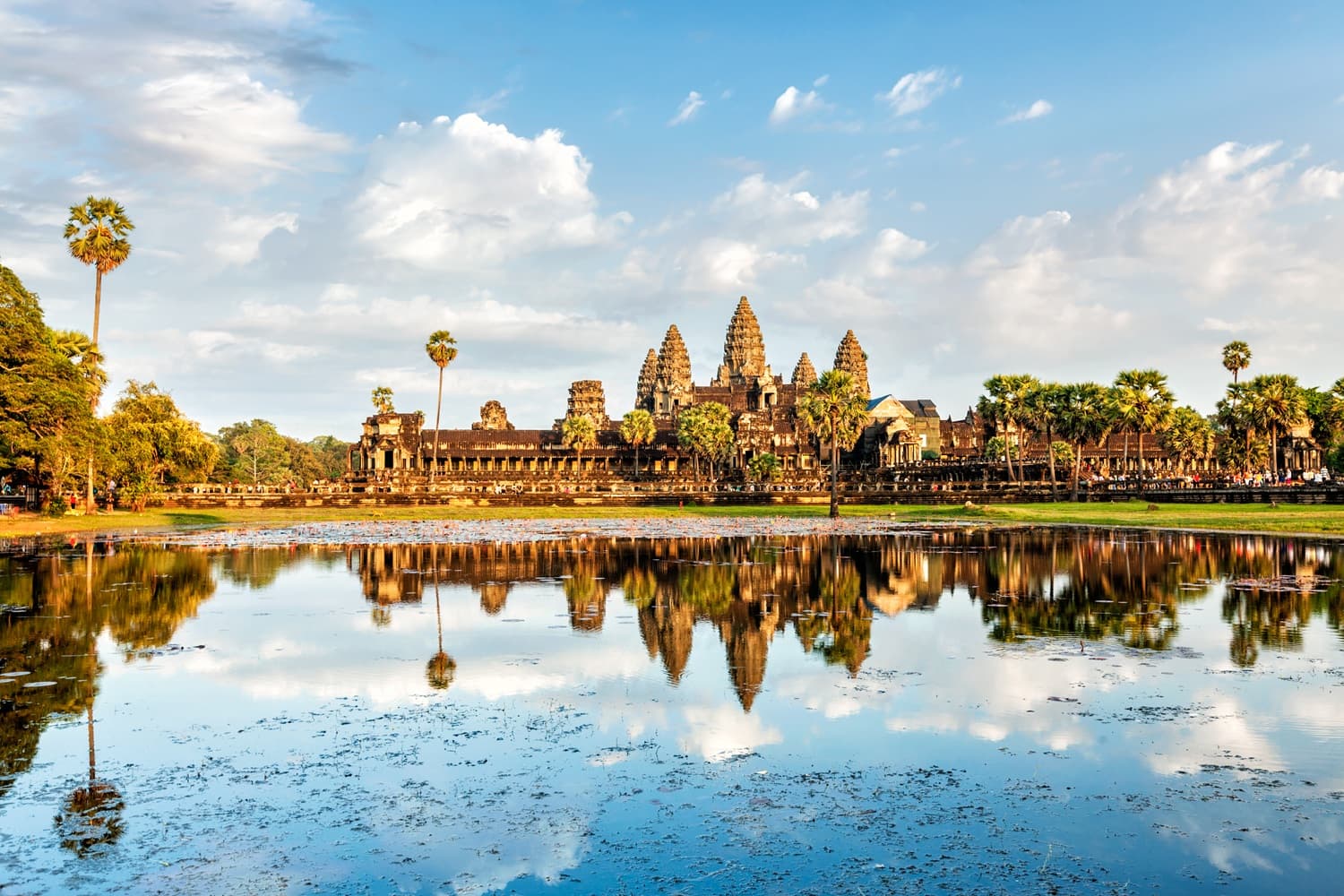
Vietnam with Cambodia - Indian Group Tour
Hanoi (3N), Da Nang (2N), Ho Chi Minh City (2N), Siem Reap (3N)
Flight Not Included
₹1,61,350
per person- Dec
- Feb
- Jan
- Mar
- Nov
- Oct
- Sep
Discovery Vietnam With Sapa
Ho Chi Minh City (2N), Da Nang (2N), Hanoi (2N), Sa Pa (2N)
Main + Internal Flight Included
₹1,67,790
per person- Nov
Discovery Vietnam With Phu Qouc
Ho Chi Minh City (1N), Phu Quoc (3N), Da Nang (3N), Hanoi (1N), Halong (1N)
Main + Internal Flight Included
₹1,73,100
per person- Dec
- Feb
- Jan
- Mar
- Nov
Discovery Vietnam With Phu Quoc
Hanoi (1N), Halong (1N), Da Nang (3N), Phu Quoc (3N), Ho Chi Minh City (1N)
Main + Internal Flight Included
₹1,62,500
per person- Nov
- Oct
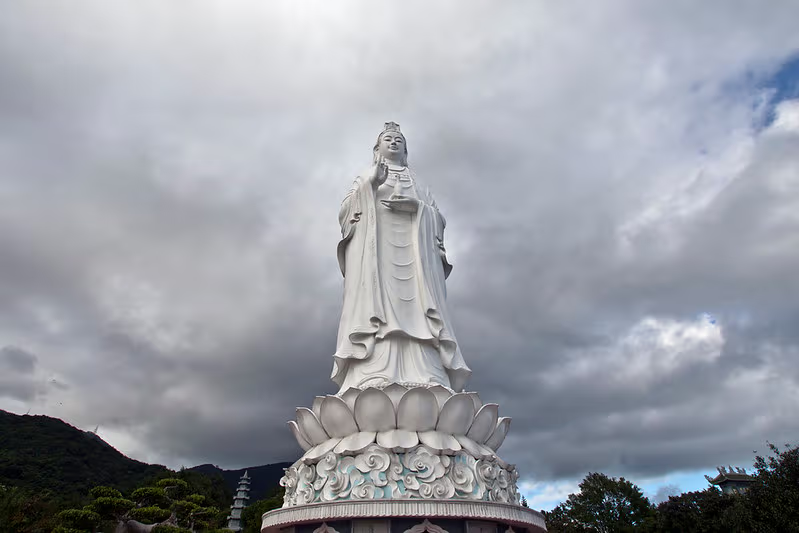
Discovery Vietnam With Phu Quoc
Hanoi (2N), Da Nang (3N), Phu Quoc (3N), Ho Chi Minh City (1N)
Main + Internal Flight Included
₹1,71,160
per person- Nov
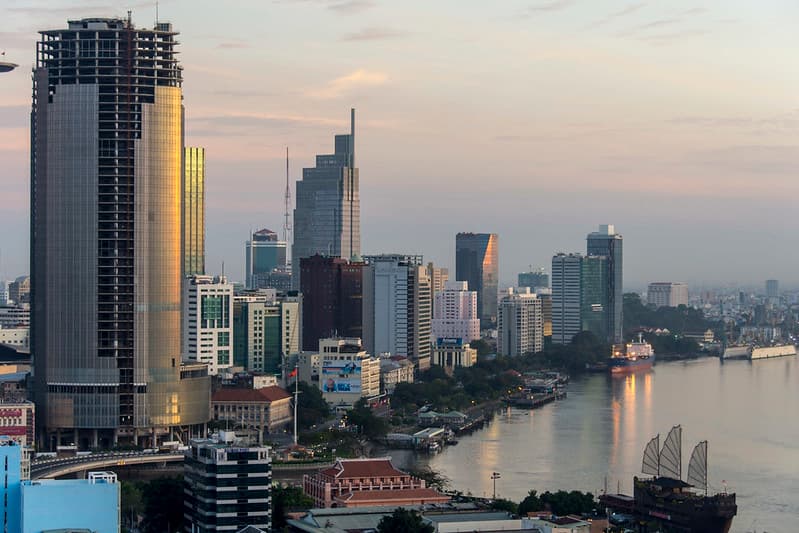
Experience Vietnam With Phu Quoc
Hanoi (1N), Halong (1N), Da Nang (3N), Phu Quoc (3N), Ho Chi Minh City (1N)
Main + Internal Flight Included
₹1,76,930
per person- Nov
- Oct
- Sep
Vietnam with Phu Quoc
Ho Chi Minh City (2N), Phu Quoc (3N), Da Nang (2N), Hanoi (1N), Halong (1N)
Main + Internal Flight Included
₹1,84,720
per person- Feb
- Jan
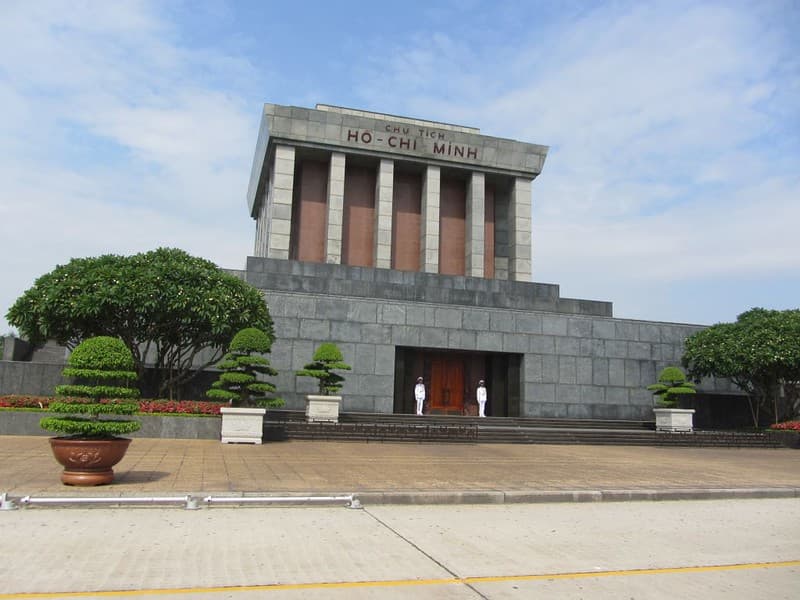
Experience Vietnam With Phu Quoc
Ho Chi Minh City (1N), Phu Quoc (3N), Da Nang (3N), Hanoi (1N), Halong (1N)
Main + Internal Flight Included
₹1,86,080
per person- Dec
- Feb
- Jan
- Nov
Discovery Vietnam With Sapa And Phu Quoc
Sa Pa (2N), Hanoi (1N), Halong (1N), Phu Quoc (3N), Da Nang (3N)
Main + Internal Flight Included
₹1,96,620
per person- Jan
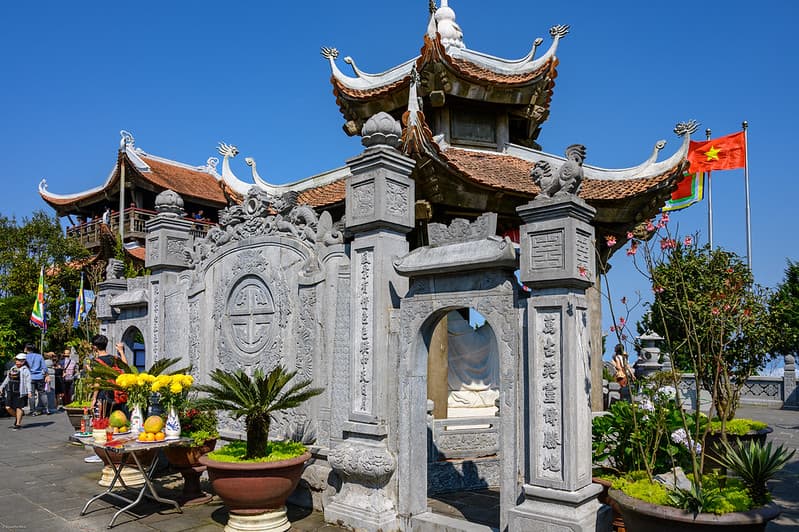
Explore Vietnam - Indian Group Tour
Hanoi (3N), Da Nang (2N), Ho Chi Minh City (2N)
Flight Not Included
₹99,240
per person- Dec
- Feb
- Jan
- Mar
- Nov
- Oct
- Sep
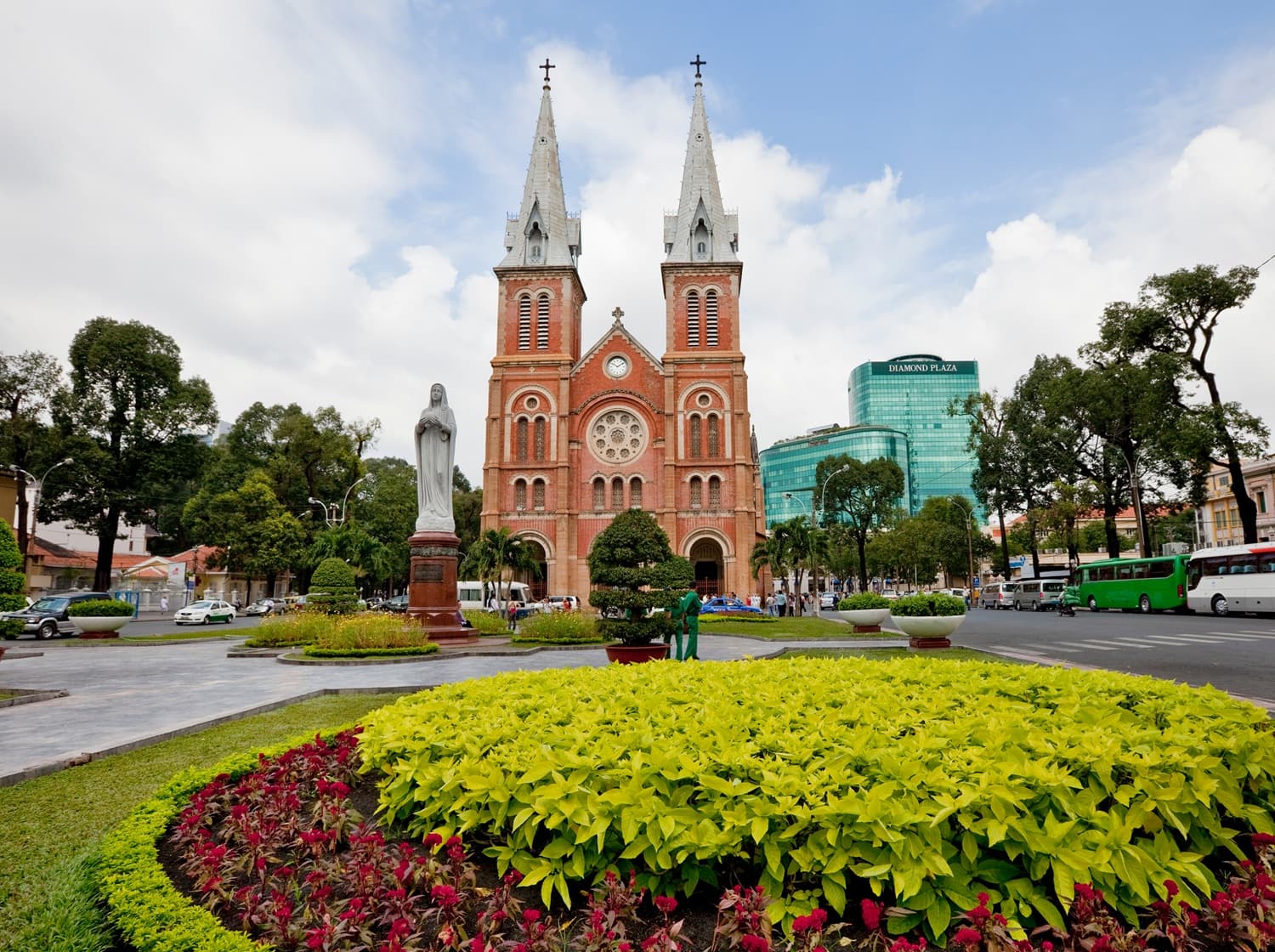
Explore Ho Chi Minh and Phu Quoc - Indian Group Tour
Ho Chi Minh City (2N), Phu Quoc (3N)
Flight Not Included
₹71,640
per person- Apr
- Dec
- Feb
- Jan
- Mar
- Nov
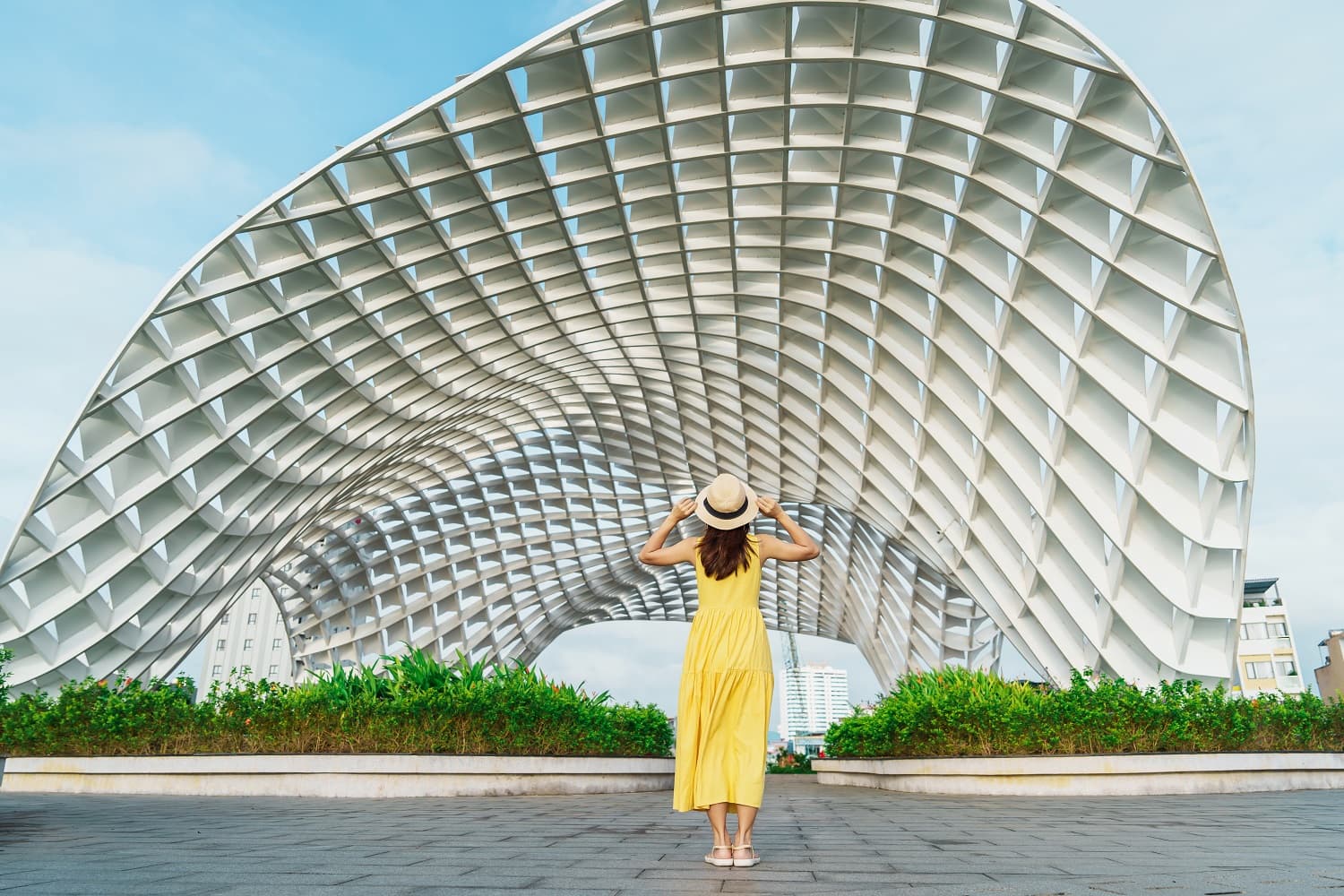
Explore Vietnam on a budget - Indian Group Tour
Hanoi (3N), Da Nang (2N), Ho Chi Minh City (2N)
Flight Not Included
₹82,310
per person- Dec
- Feb
- Jan
- Mar
- Nov
- Oct
- Sep
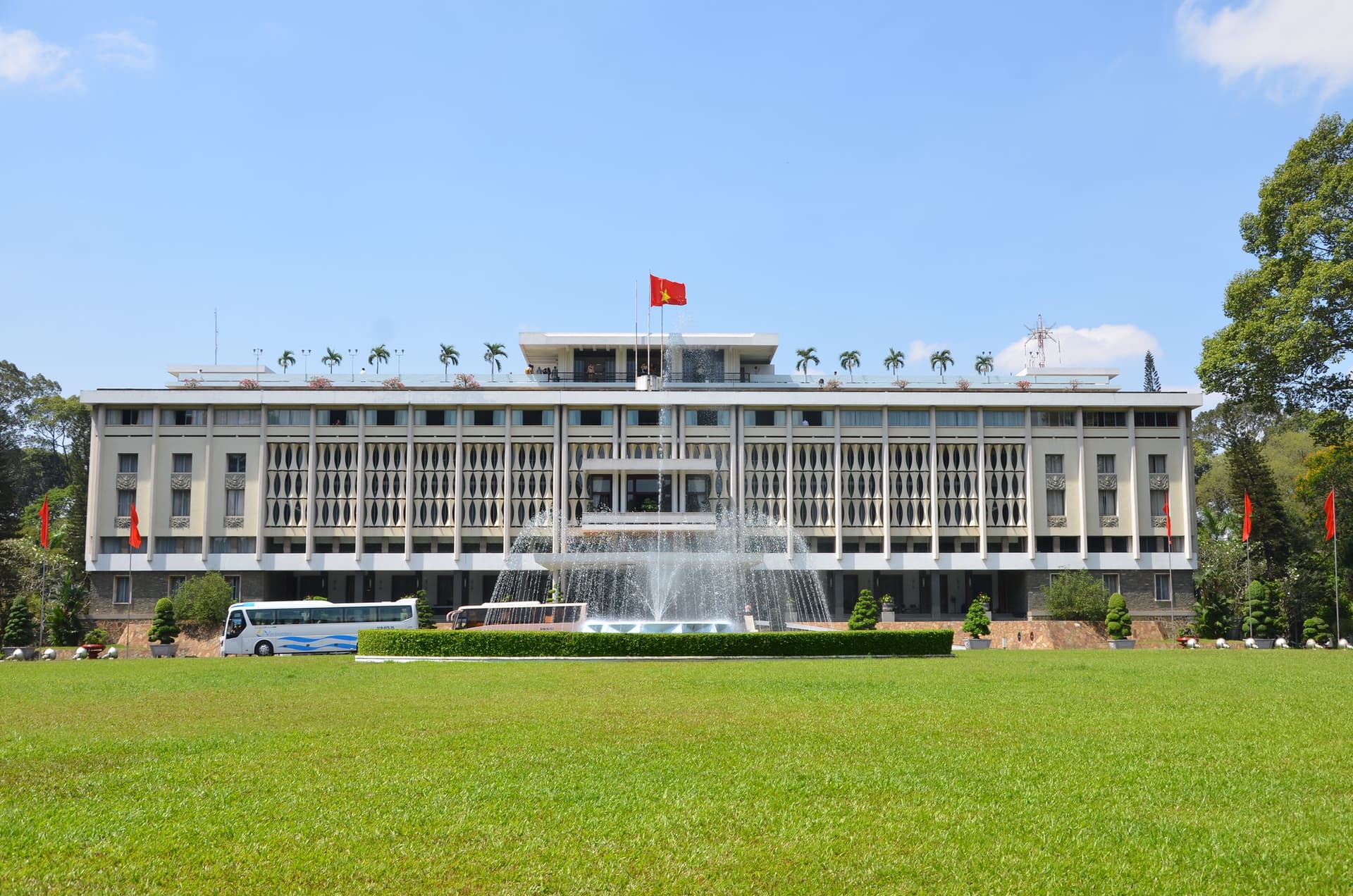

Simply Vietnam With Ninh Binh
Hanoi (2N), Halong (1N)
Flight Not Included
₹35,970
per person- Valid upto 31 Mar 2027
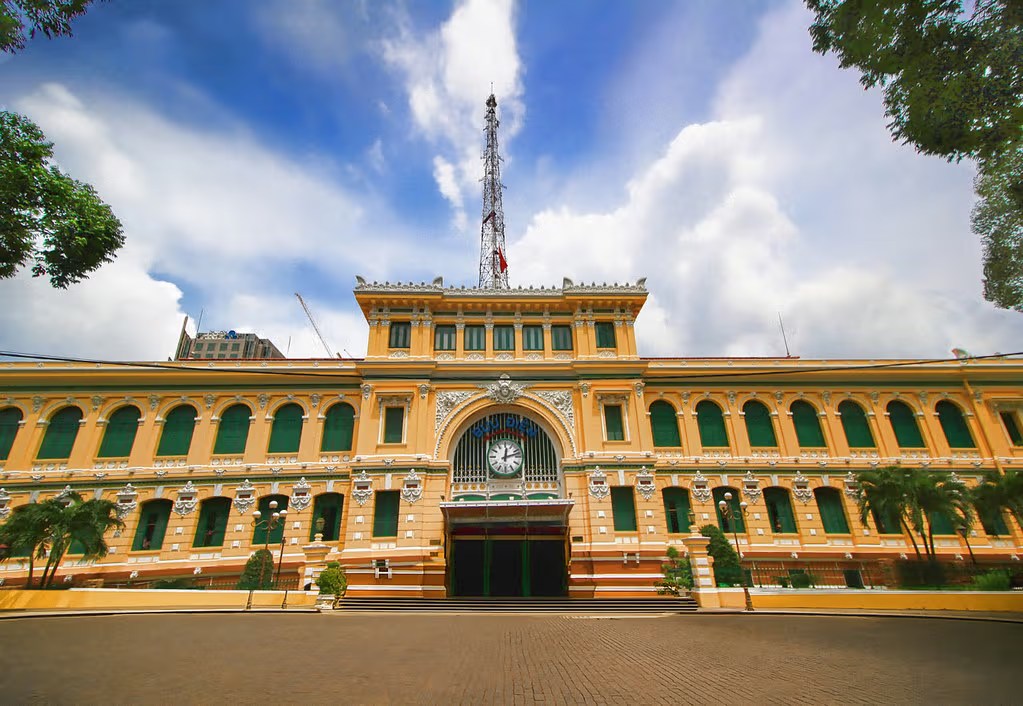
Vietnam Classic
Hanoi (2N), Halong (1N), Ho Chi Minh City (2N)
Flight Not Included
₹46,740
per person- Valid upto 31 Mar 2027
Southern Highlights Of Vietnam
Ho Chi Minh City (3N), Phu Quoc (3N)
Flight Not Included
₹57,020
per person- Valid upto 31 Mar 2027
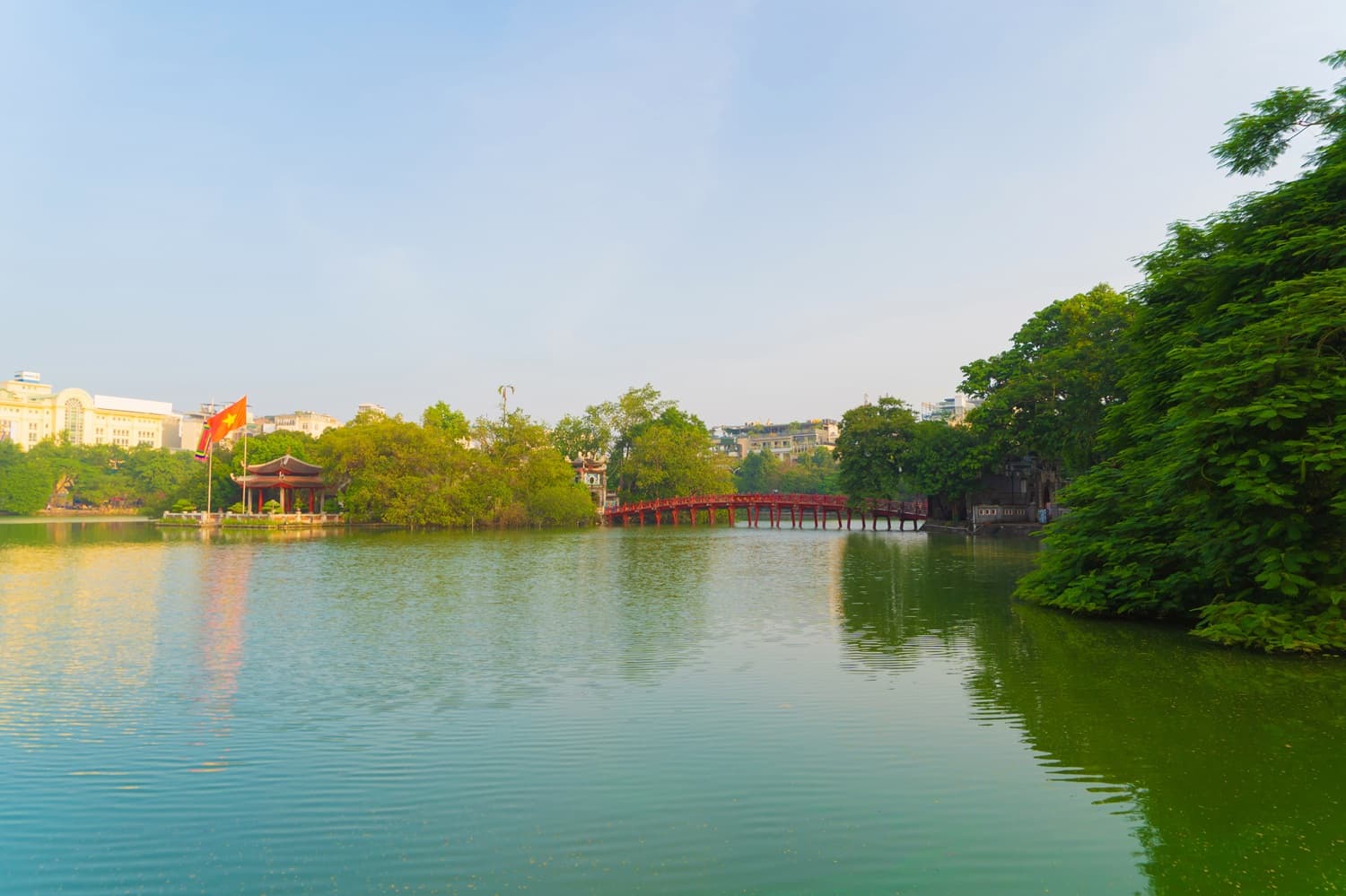
Glimpse Of Vietnam
Hanoi (2N), Halong (1N), Ho Chi Minh City (3N)
Flight Not Included
₹55,970
per person- Valid upto 31 Mar 2027
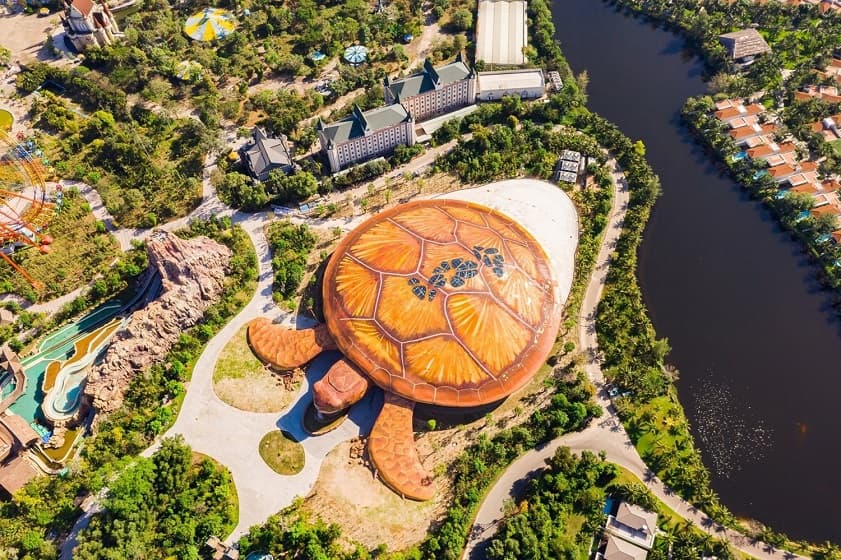
Beachside Bliss With Da Nang & Phu Quoc
Phu Quoc (3N), Da Nang (3N)
Flight Not Included
₹53,660
per person- Valid upto 31 Mar 2027
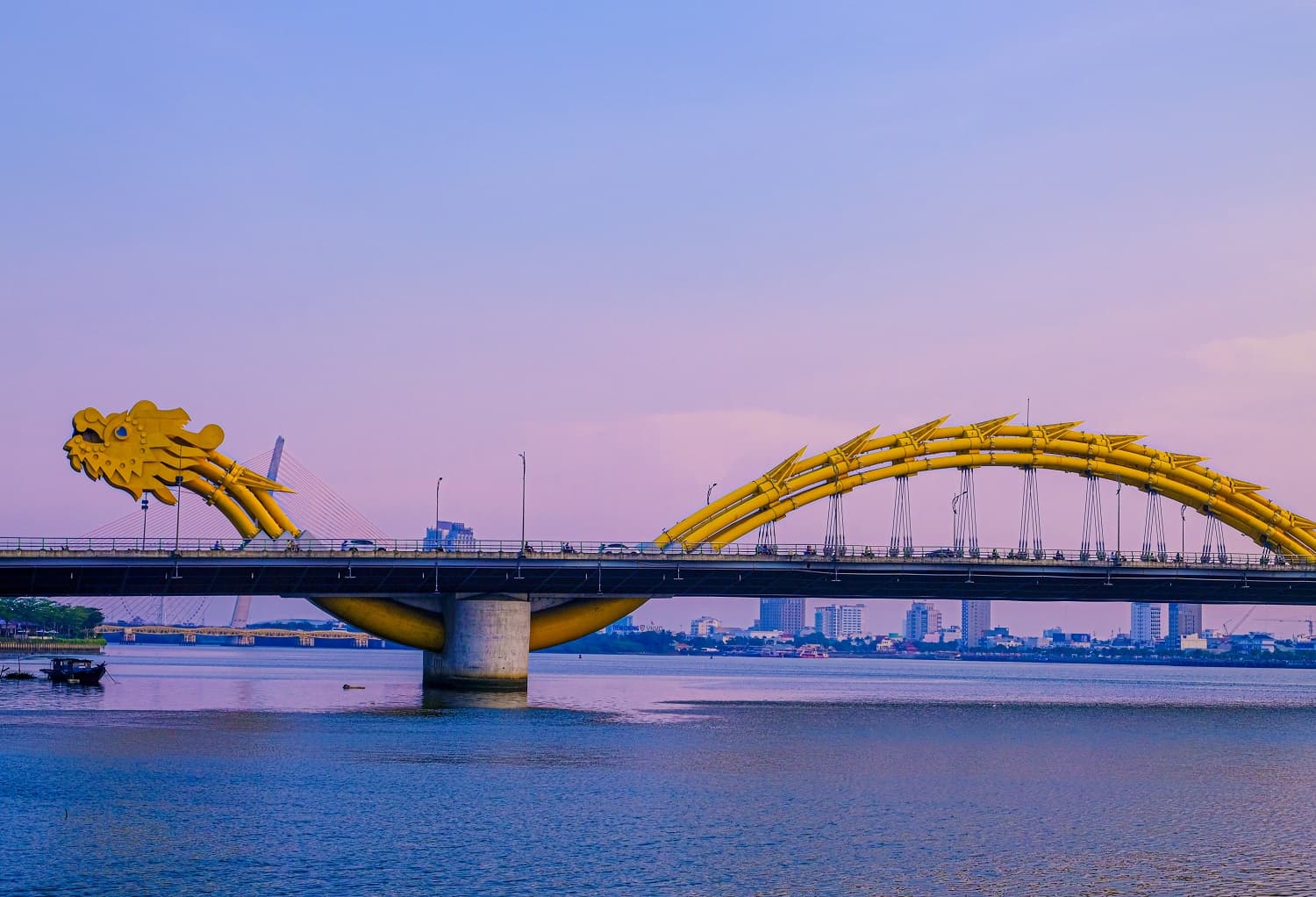
Southern Vietnam & Central Coast Beach Getaway
Ho Chi Minh City (3N), Da Nang (2N), Hoi An (2N)
Flight Not Included
₹59,910
per person- Valid upto 31 Mar 2027
Vietnam Highlights with Ninh Binh
Hanoi (2N), Halong (1N), Da Nang (3N), Ho Chi Minh City (2N)
Flight Not Included
₹73,950
per person- Valid upto
Beautiful Vietnam With Scenic Sapa
Hanoi (1N), Sa Pa (2N), Hanoi (1N), Halong (1N), Da Nang (3N), Ho Chi Minh City (2N)
Flight Not Included
₹95,490
per person- Valid upto 31 Mar 2027
Discovery Vietnam With Ninh Binh
Hanoi (1N), Halong (1N), Hanoi (1N), Da Nang (3N), Ho Chi Minh City (2N)
Main + Internal Flight Included
₹1,65,210
per person- Feb
- Jan
- Mar
Discovery Vietnam with Sapa
Sa Pa (2N), Hanoi (2N), Da Nang (2N), Ho Chi Minh City (2N)
Main + Internal Flight Included
₹1,75,590
per person- Nov
Discovery Vietnam With Phu Quoc
Phu Quoc (3N), Da Nang (3N), Hanoi (2N), Halong (1N)
Main + Internal Flight Included
₹1,89,470
per person- Dec
Experience Vietnam With Phu Quoc
Phu Quoc (3N), Da Nang (3N), Hanoi (2N), Halong (1N)
Main + Internal Flight Included
₹2,05,810
per person- Dec
Happy Travellers
Memorable Spain And Portugal Journey with Flamingo
MS.Shilpa Parikh
Amazing USA West Coast Journey with Flamingo
MR.Atul Patt

Memorable Dubai Tour Experience
MR.Nitin Jariwala
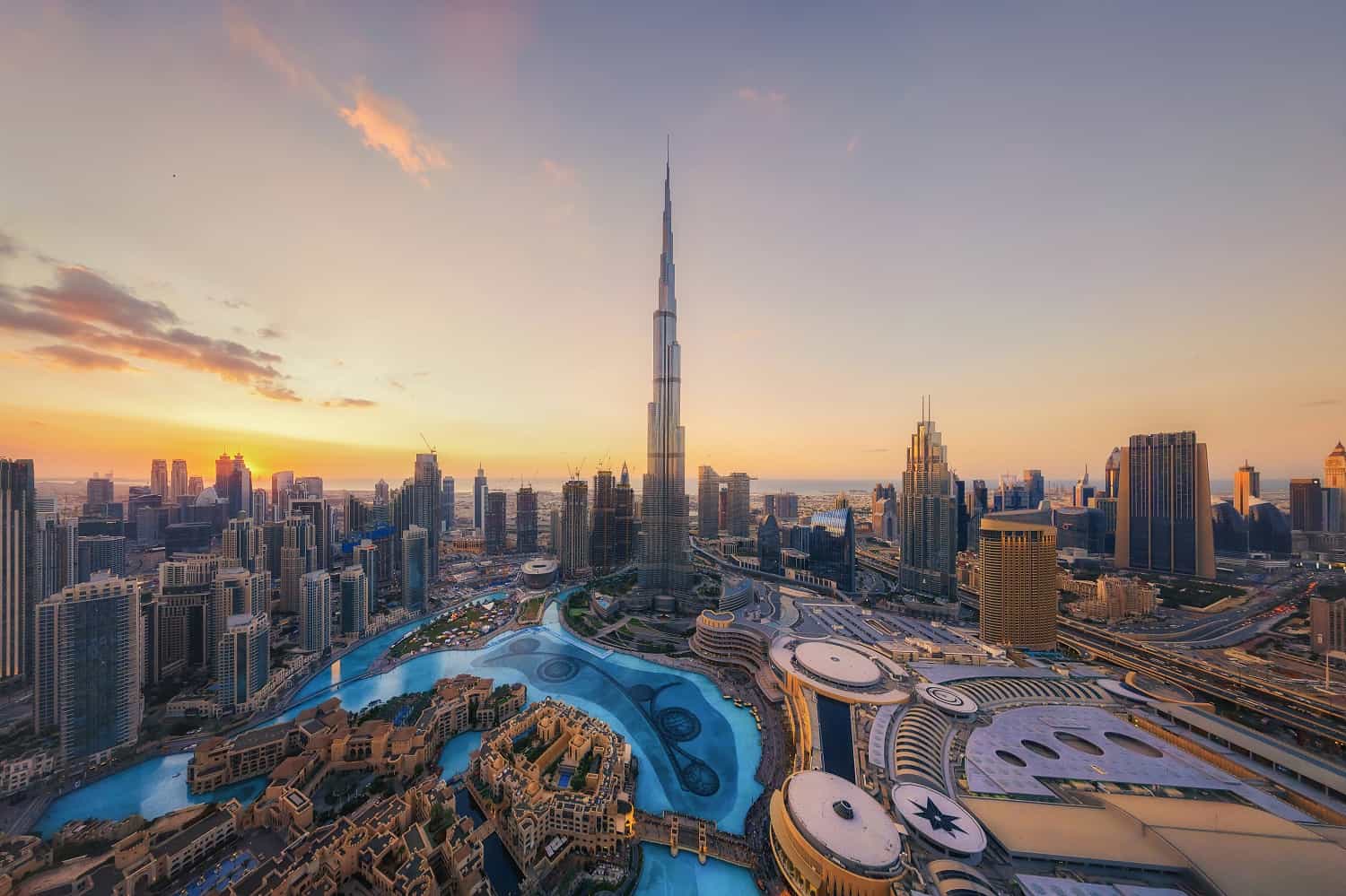
Our Dubai tour was truly memorable. The hotel was good & the food was also good. Our Tour Manager Akbar Bhai had a very friendly and approachable nature. He provided quick responses to all queries. He offered excellent guidance for our visits, giving instructions repeatedly and on time to everyone. He also gave helpful guidance for shopping and purchases.
Memorable Spain And Portugal Tour with Flamingo Travels
MR. Bharat Patel
Great And Wonderful Vacation with Flamingo Travels
MR .Govind Patel
Memorable Spain And Portugal Vacation with Flamingo
MR. Jagdish Patel
Wonderful Spain And Portugal Trip with Perfect Planning And Execution
MR. Kaushik Patel

Incredible Spain And Portugal Journey with Wonderful Memories
MR. Virendra Patel
Amazing Spain And Portugal Tour Experience with Flamingo Travels
MR. Pankaj Patel
Knowledgeable Caring Tour Manager With Flamingo Travels
MR. Rohit Patel
Trending travel articles

Summary: China doesn’t offer visa-on-arrival, an e-visa, or any short-stay exemption for Indian passport holders – every Indian traveller needs to apply in advance, and for a holiday, that means the L visa. The exact China visa requirements for Indian citizens depend on the purpose of travel and the applicant’s circumstances. This blog covers the […]

Summary: Planning a Europe trip from India? This blog covers the key Europe visa requirements for Indian citizens travelling to the Schengen Area in 2026, including documents, application timelines, fees, and the process for multi-country trips. It also explains the latest 2026 travel changes and how Flamingo can assist with your Schengen visa application. Planning […]
Summary: This weekend travel guide has all that a traveller needs to know. It covers 7 budget-friendly weekend getaways from Mumbai, along with essential information such as travel time, costs, and what to expect. Hopefully, it will help you plan an affordable, short, and beautiful weekend trip. Mumbai, the City of Dreams, is also one […]
Summary: This quick, complete, and practical guide to food in Sri Lanka covers everything from rice and curry to hoppers, Lamprais, and wood apple juice, along with where to find them and practical tips to help you navigate the island’s cuisine with ease. Quick Food Guide ? Vegetarian | ? Non-Vegetarian | ?? Available in […]
Summary: Yes, it’s possible to explore South Africa on a budget. A South Africa tour package under 2 lakh often cover the core of your trip – hotels, transport, and sightseeing. Your overall travel budget may vary depending on flight fares, visa fees, and personal expenses. This blog explains what the package covers and the […]
Summary: Goa isn’t the same trip for everyone, and this 5-days Goa itinerary is designed for first-timers who want to see enough without rushing. From choosing between North and South Goa to beaches, local food, sightseeing, and practical travel tips, this blog helps you make the most of your holiday while leaving enough time to […]

Summary: Switzerland is one of the few places where the train journey is as beautiful as the destination. This blog covers the best Switzerland Romantic Train Journeys, from the scenic Glacier Express to the Bernina Express. Discover whether the Swiss Travel Pass is worth it, the best time to travel, and useful tips to help […]
Summary: The monsoon turns the landscapes and destinations around Bangalore into a paradise of misty hills, roaring waterfalls and lush forests, making it the perfect season for a quick escape. From scenic road trips to coffee plantation stays and adventurous treks, these weekend getaways from Bangalore have something for every kind of traveller. Monsoon brings […]

Summary: Dreaming of an international holiday on a budget? This blog covers the cheapest Asian countries to visit from India in 2026 -27, where you can enjoy a 4 Nights/5 Days trip for around ?50,000 per person. Compare travel costs, visa rules, best time to visit, and find the destination that suits your budget and […]
Summary: A trip to Udaipur is best enjoyed when you do not have to rush from one place to another. This 3-day Udaipur travel itinerary gives you enough time to explore the city’s beautiful palaces, peaceful lakes, local markets, and old streets at a leisurely pace. Whether you are travelling with family, your partner, or […]