History & Culture in Rajasthan
A Brief History of Rajasthan
The Rajput Kingdoms & Royal Heritage
The Mughal Influence in Rajasthan
Rajasthan After Independence
Communities & Traditions of Rajasthan
Rajput Traditions & Royal Lifestyle
The Marwari Trading Community
The Tribal Communities of Rajasthan
Hospitality & Local Values
Religion & Festivals in Rajasthan
Temples, Spiritual Traditions & Local Beliefs
Major Festivals of Rajasthan
Pushkar Camel Fair
Gangaur & Teej
Desert Festival, Jaisalmer
Jaipur Literature Festival
Food, Dress & Art of Rajasthan
Food of Rajasthan
Traditional Dress of Rajasthan
Art & Crafts of Rajasthan
Dance & Music of Rajasthan
What Makes Rajasthan’s Culture Unique?

Top Tour Packages
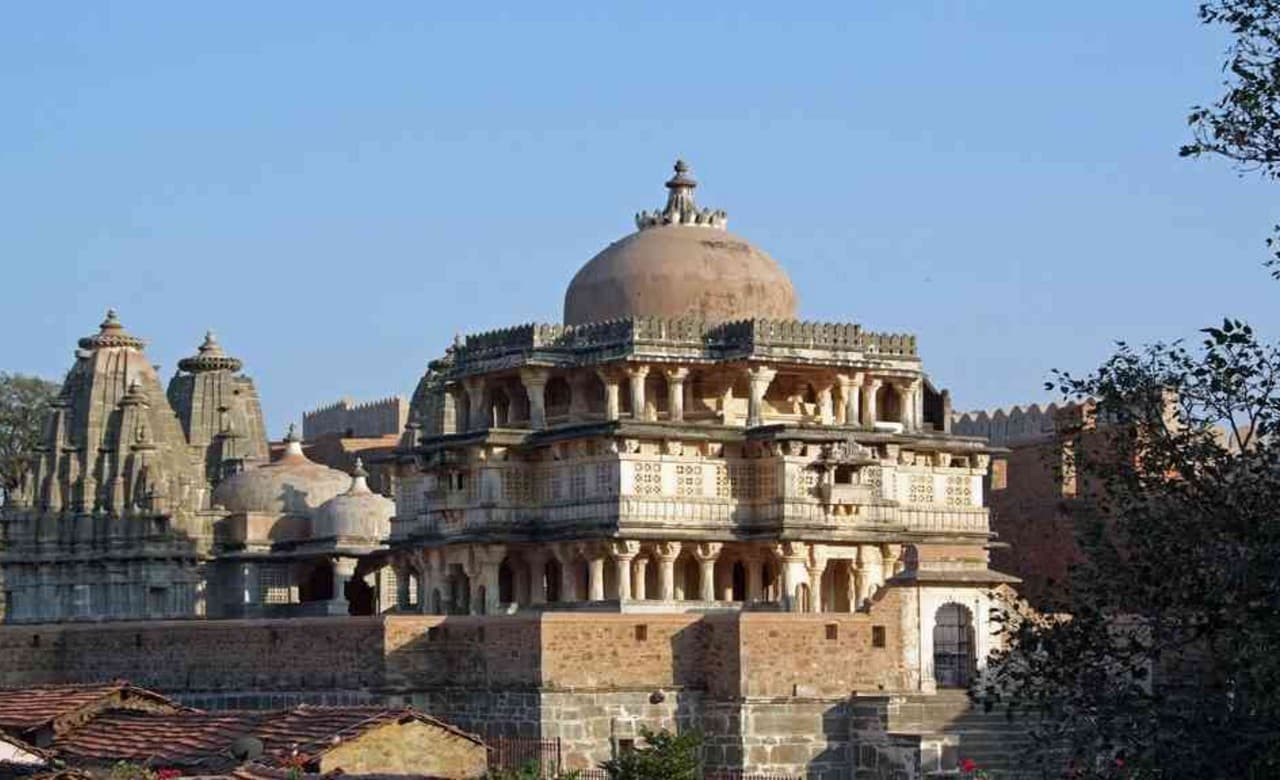
History with Adventure Lover Tour
PoloForest (1N), Kumbhalgarh (2N)
Flight Not Included
₹17,870
per person- Valid upto 30 Sep 2026
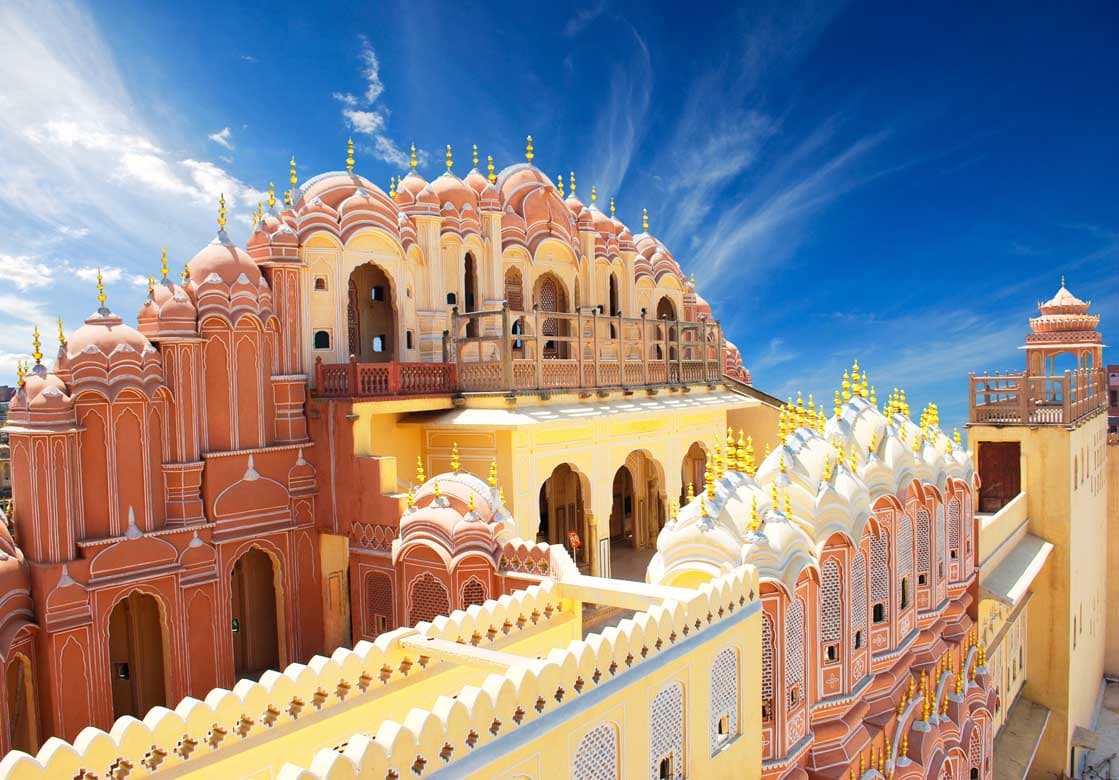
Soulful India
New Delhi (1N), Agra (1N), Jaipur (2N)
Flight Not Included
₹18,940
per person- Valid upto 30 Sep 2027
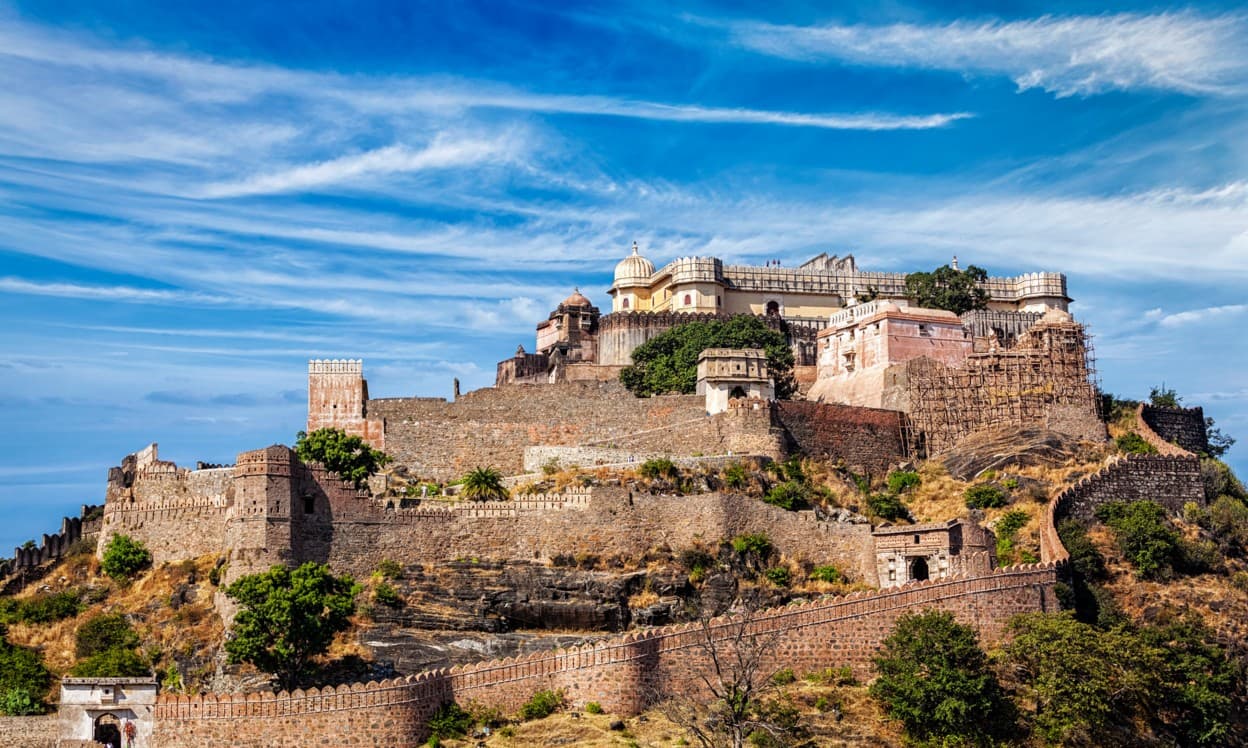
Lakes & Forts Of Rajasthan
Udaipur (2N), Kumbhalgarh (2N)
Flight Not Included
₹5,090
per person- Valid upto 30 Sep 2027
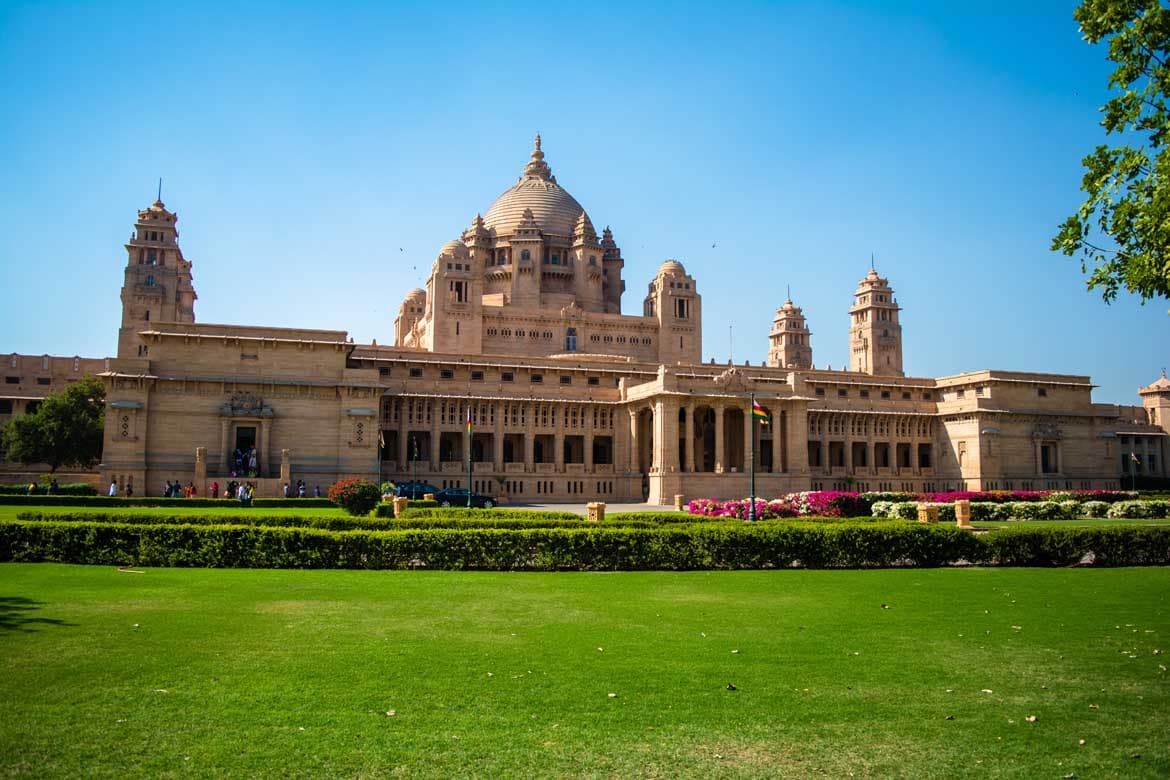
The Golden Rajasthan
Jodhpur (2N), Manvar (1N), Jaisalmer (2N)
Flight Not Included
₹27,120
per person- Valid upto 30 Sep 2027
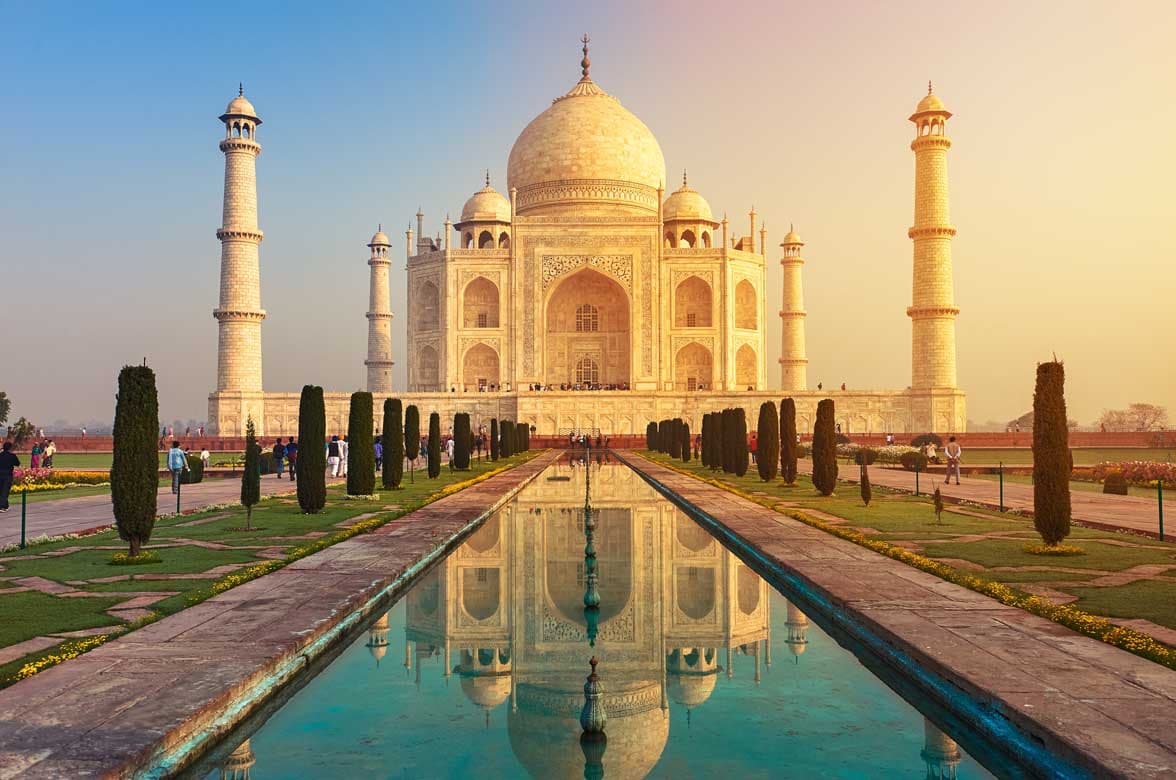
Golden Triangle
New Delhi (2N), Agra (1N), Jaipur (2N)
Flight Not Included
₹23,050
per person- Valid upto 30 Sep 2027
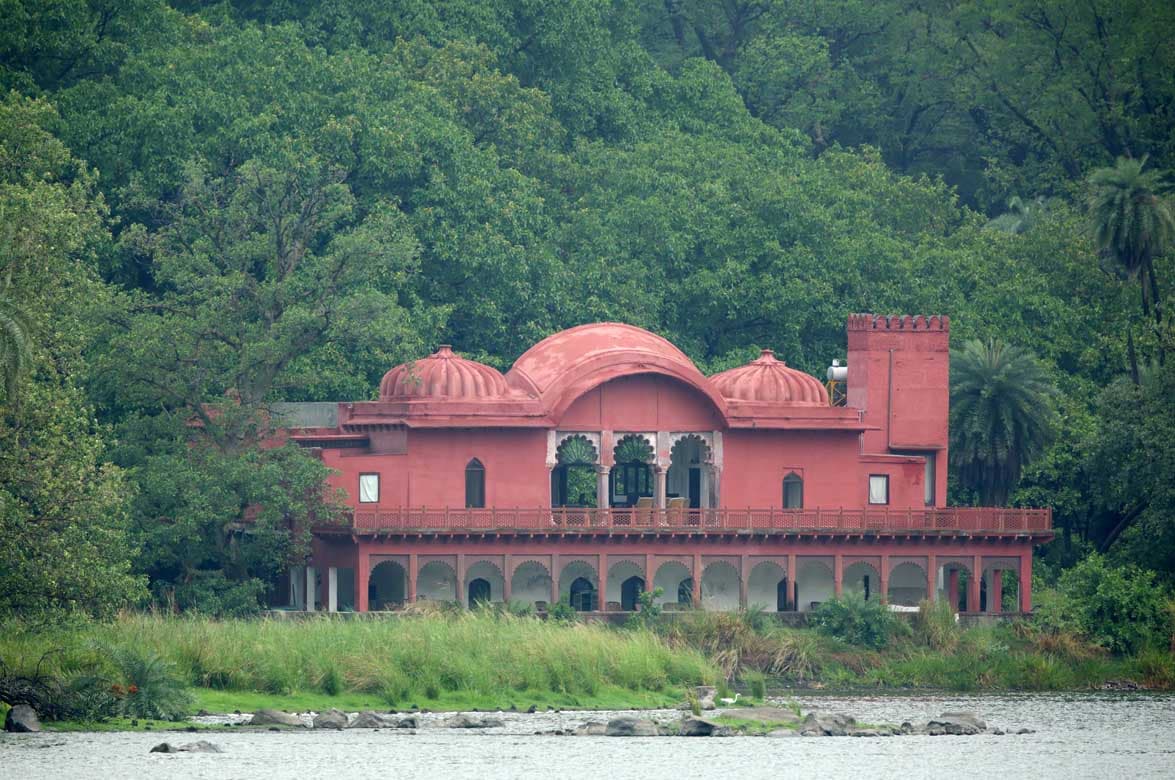
Exotic Rajasthan
Jaipur (2N), Bharatpur (1N), Ranthambore National Park (2N)
Flight Not Included
₹23,350
per person- Valid upto 30 Sep 2027
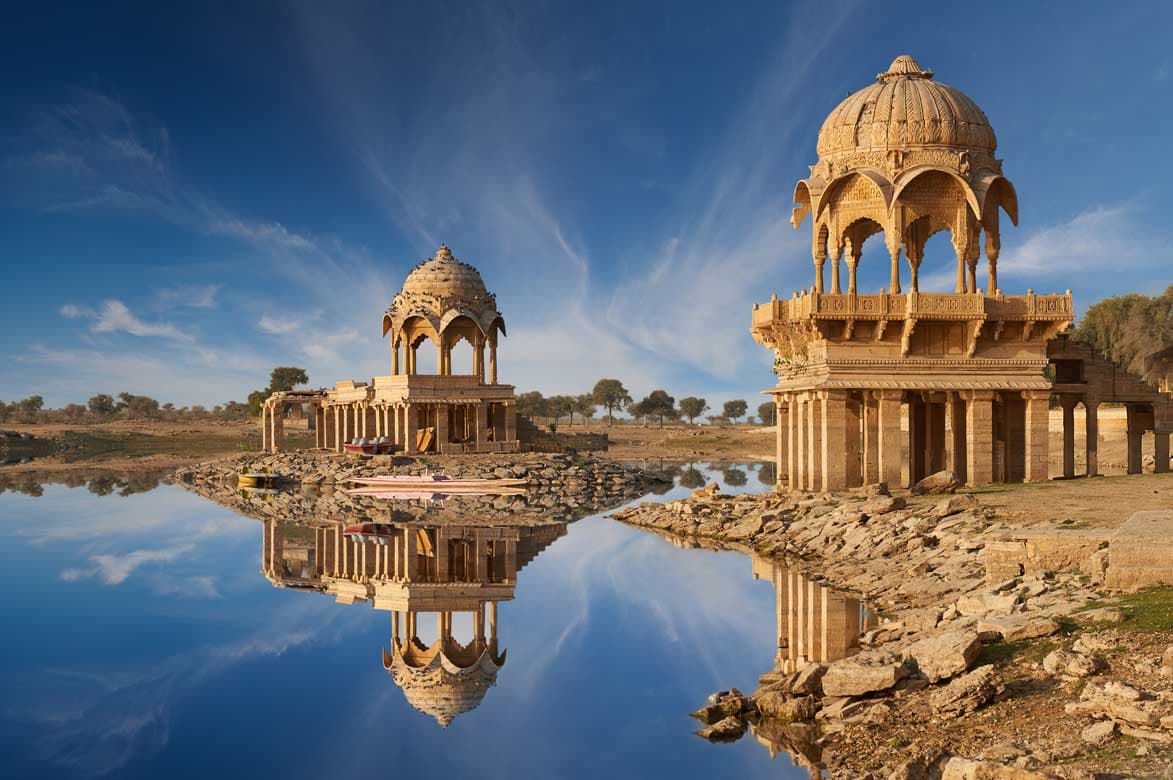
Heritage Rajasthan
Jaipur (2N), Bikaner (1N), Jaisalmer (2N), Jodhpur (2N)
Flight Not Included
₹33,660
per person- Valid upto 30 Sep 2027
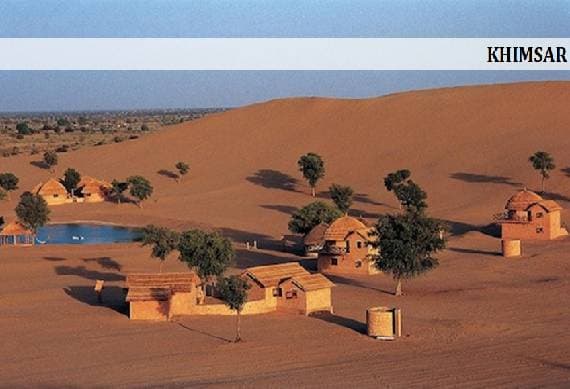
Best Of Rajasthan
Jodhpur (2N), Khimsar (2N), Ajmer (1N), Jaipur (2N)
Flight Not Included
₹37,830
per person- Valid upto 30 Sep 2026

Whole of Rajasthan
New Delhi (1N), Agra (1N), Jaipur (2N), Mandawa (1N), Bikaner (1N), Jaisalmer (2N), Jodhpur (1N), Udaipur (2N)
Flight Not Included
₹55,250
per person- Valid upto 30 Sep 2027
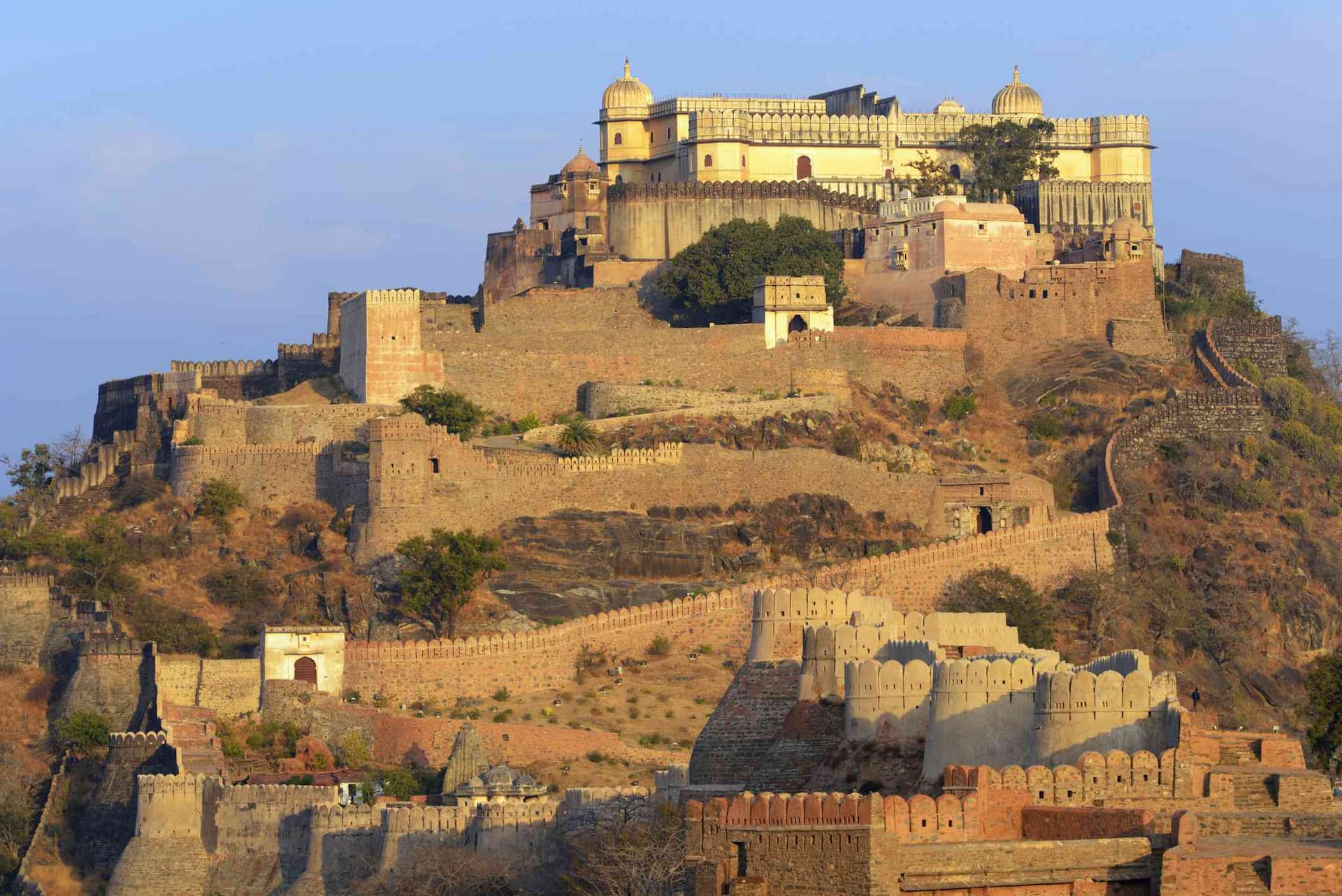
Kumbhalgarh 3 Star Hotel Deals
Kumbhalgarh (2N)
Flight Not Included
₹5,200
per person- Valid upto 31 Oct 2026
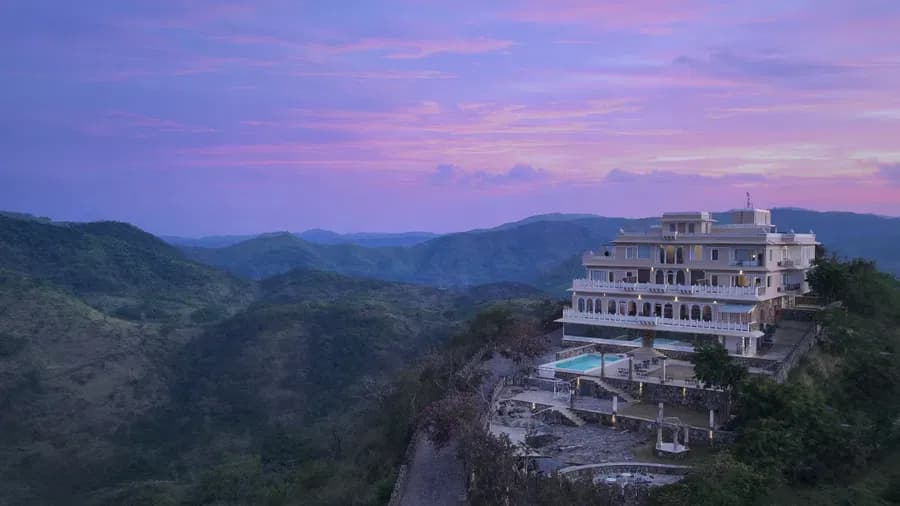
Kumbhalgarh 4 Star Hotel Tour Package 2 Night
Kumbhalgarh (2N)
Flight Not Included
₹9,740
per person- Valid upto 30 Sep 2026

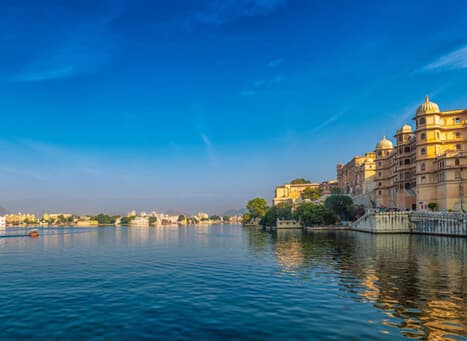

Simplicity Rajasthan
Udaipur (2N), Kumbhalgarh (1N), Jodhpur (2N)
Flight Not Included
₹24,320
per person- Valid upto 30 Sep 2027
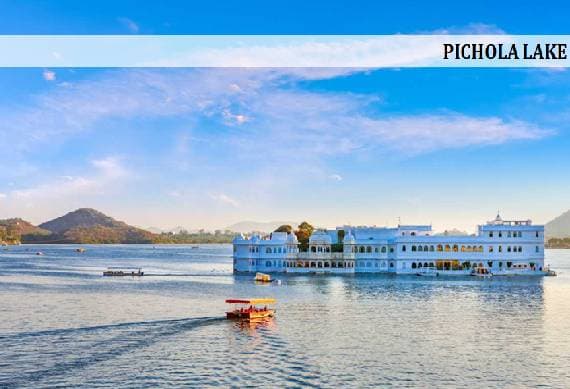
Gems Of Rajasthan
Mount Abu (2N), Pali (1N), Kumbhalgarh (1N), Udaipur (2N)
Flight Not Included
₹29,550
per person- Valid upto 30 Sep 2026
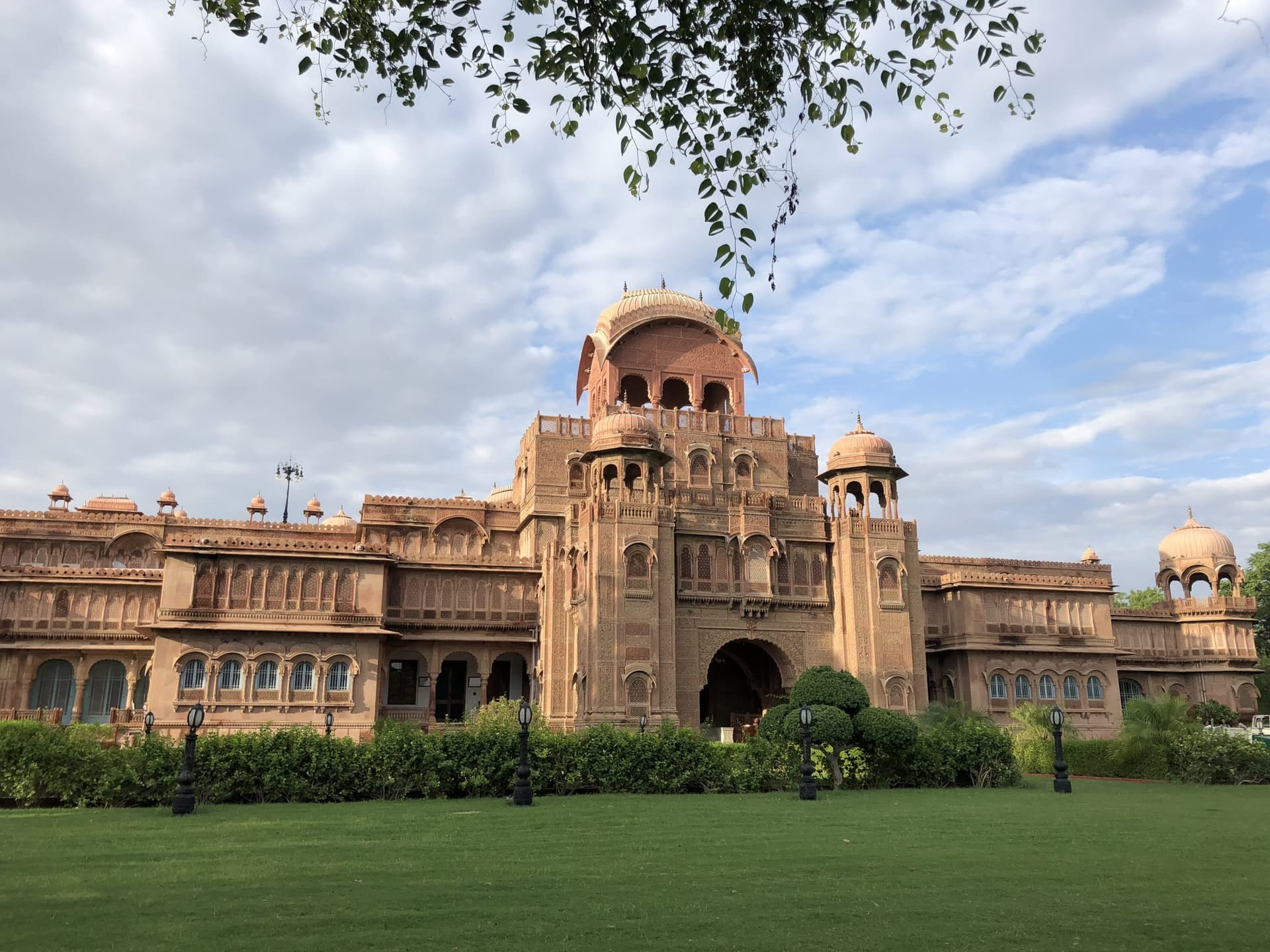
Golden Heritage
New Delhi (2N), Agra (1N), Jaipur (2N), Bikaner (1N), Mandawa (1N)
Flight Not Included
₹31,640
per person- Valid upto 30 Sep 2026


Royalty and Dunes - Rajasthan Group Tour
Jaisalmer (2N), Jaisalmer (1N), Jodhpur (2N)
Flight Not Included
₹36,000
per person- Dec
- Feb
- Jan
- Nov
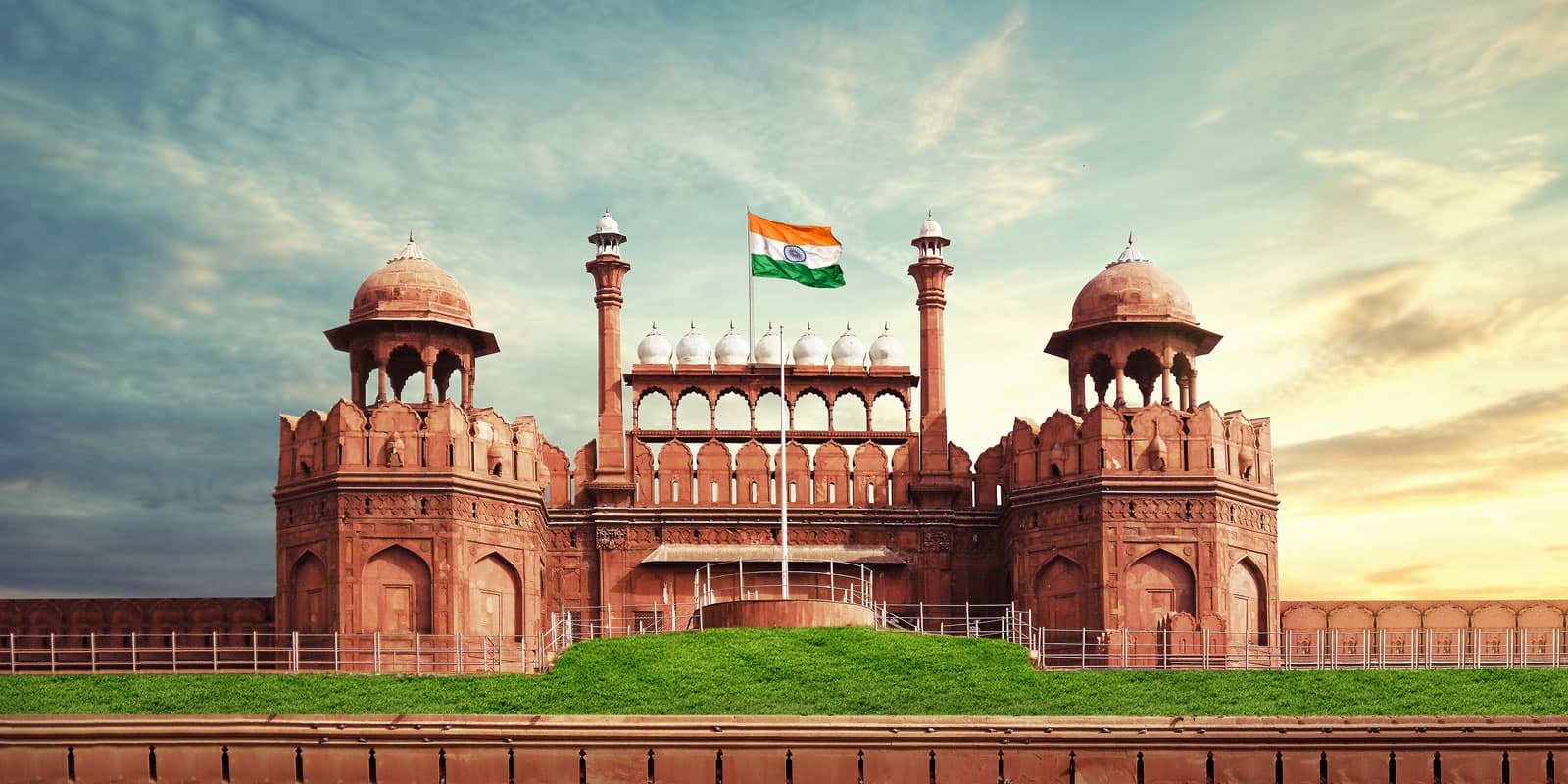
Golden Triangle Group Tour
New Delhi (2N), Agra (1N), Jaipur (2N)
Flight Not Included
₹39,000
per person- Dec
- Feb
- Jan
- Mar
- Nov
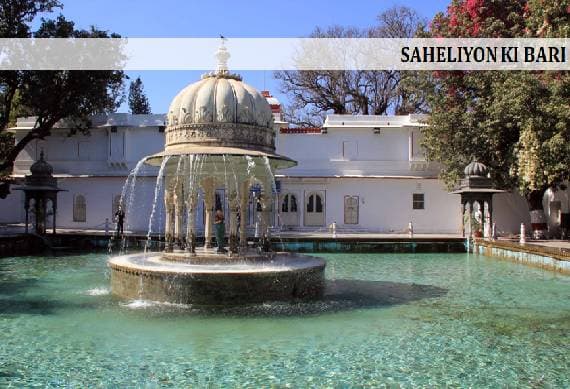
Jewels Of Rajasthan
Udaipur (2N), Narlai (2N)
Flight Not Included
₹51,350
per person- Valid upto 30 Sep 2026
Happy Travellers
Memorable Spain And Portugal Journey with Flamingo
MS.Shilpa Parikh

Amazing USA West Coast Journey with Flamingo
MR.Atul Patt

Memorable Dubai Tour Experience
MR.Nitin Jariwala
Our Dubai tour was truly memorable. The hotel was good & the food was also good. Our Tour Manager Akbar Bhai had a very friendly and approachable nature. He provided quick responses to all queries. He offered excellent guidance for our visits, giving instructions repeatedly and on time to everyone. He also gave helpful guidance for shopping and purchases.

Memorable Spain And Portugal Tour with Flamingo Travels
MR. Bharat Patel
Great And Wonderful Vacation with Flamingo Travels
MR .Govind Patel
Memorable Spain And Portugal Vacation with Flamingo
MR. Jagdish Patel
Wonderful Spain And Portugal Trip with Perfect Planning And Execution
MR. Kaushik Patel

Incredible Spain And Portugal Journey with Wonderful Memories
MR. Virendra Patel
Amazing Spain And Portugal Tour Experience with Flamingo Travels
MR. Pankaj Patel
Knowledgeable Caring Tour Manager With Flamingo Travels
MR. Rohit Patel
Trending travel articles

Summary: China doesn’t offer visa-on-arrival, an e-visa, or any short-stay exemption for Indian passport holders – every Indian traveller needs to apply in advance, and for a holiday, that means the L visa. The exact China visa requirements for Indian citizens depend on the purpose of travel and the applicant’s circumstances. This blog covers the […]

Summary: Planning a Europe trip from India? This blog covers the key Europe visa requirements for Indian citizens travelling to the Schengen Area in 2026, including documents, application timelines, fees, and the process for multi-country trips. It also explains the latest 2026 travel changes and how Flamingo can assist with your Schengen visa application. Planning […]
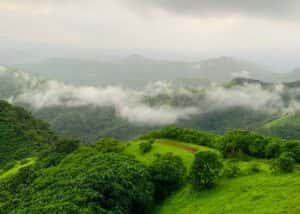
Summary: This weekend travel guide has all that a traveller needs to know. It covers 7 budget-friendly weekend getaways from Mumbai, along with essential information such as travel time, costs, and what to expect. Hopefully, it will help you plan an affordable, short, and beautiful weekend trip. Mumbai, the City of Dreams, is also one […]

Summary: This quick, complete, and practical guide to food in Sri Lanka covers everything from rice and curry to hoppers, Lamprais, and wood apple juice, along with where to find them and practical tips to help you navigate the island’s cuisine with ease. Quick Food Guide ? Vegetarian | ? Non-Vegetarian | ?? Available in […]

Summary: Yes, it’s possible to explore South Africa on a budget. A South Africa tour package under 2 lakh often cover the core of your trip – hotels, transport, and sightseeing. Your overall travel budget may vary depending on flight fares, visa fees, and personal expenses. This blog explains what the package covers and the […]

Summary: Goa isn’t the same trip for everyone, and this 5-days Goa itinerary is designed for first-timers who want to see enough without rushing. From choosing between North and South Goa to beaches, local food, sightseeing, and practical travel tips, this blog helps you make the most of your holiday while leaving enough time to […]

Summary: Switzerland is one of the few places where the train journey is as beautiful as the destination. This blog covers the best Switzerland Romantic Train Journeys, from the scenic Glacier Express to the Bernina Express. Discover whether the Swiss Travel Pass is worth it, the best time to travel, and useful tips to help […]

Summary: The monsoon turns the landscapes and destinations around Bangalore into a paradise of misty hills, roaring waterfalls and lush forests, making it the perfect season for a quick escape. From scenic road trips to coffee plantation stays and adventurous treks, these weekend getaways from Bangalore have something for every kind of traveller. Monsoon brings […]

Summary: Dreaming of an international holiday on a budget? This blog covers the cheapest Asian countries to visit from India in 2026 -27, where you can enjoy a 4 Nights/5 Days trip for around ?50,000 per person. Compare travel costs, visa rules, best time to visit, and find the destination that suits your budget and […]
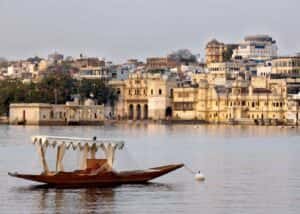
Summary: A trip to Udaipur is best enjoyed when you do not have to rush from one place to another. This 3-day Udaipur travel itinerary gives you enough time to explore the city’s beautiful palaces, peaceful lakes, local markets, and old streets at a leisurely pace. Whether you are travelling with family, your partner, or […]