Best time to visit in Australia
Peak Season: December to February
- Weather: Hot and sunny. Sydney and Melbourne can reach 30°C to 35°C. It is perfect beach weather. However, in the North (Cairns/Gold Coast), it can be humid with tropical evening storms. Long sunny days with beaches perfect for swimming.
- Travel Conditions: This is the busiest time. It matches the Australian summer school holidays and the Indian winter break. Flight tickets from India are at their highest price. The Great Ocean Road is perfect for driving trips. Coastal places are ideal for swimming and water fun.
- Best Places to Visit: Sydney (Bondi Beach, Blue Mountains), Gold Coast (Theme Parks), and Melbourne (Great Ocean Road).
- Crowd Levels: Very High. Every beach and theme park will be packed with tourists.
- Things to Note: Hotel and flight prices are very high, especially around the New Year, so book 3 to 4 months early.
Shoulder Season: March–May & September–November
- Weather: September–November is the spring season. Beautiful warm days. Flowers bloom, and the weather is perfect for walking tours. March to May is the autumn season. Pleasant and mild. Both times have mild, nice weather, perfect for going outside. Not much rain except in the far north.
- Travel Conditions: This is the best time to visit Australia for smart travellers. The summer rush has gone, but it is not cold yet. You can find better deals on hotels and flights.
- Best Places to Visit: Great Ocean Road (driving is comfortable), Blue Mountains, and Hunter Valley for vineyards.
- Crowd Levels: Moderate. Hotels have good availability with flexible booking. Attractions are manageable without long waiting lines.
- Things to Note: Watch out for the Easter holidays (early April). Domestic flights within Australia get very expensive during this long weekend. The Great Barrier Reef has excellent, clear water in both seasons. It is a good time to visit Australia for better value.
Off Peak Season: June to August
- Weather: Northern Australia, like Cairns/Barrier Reef, has the best weather. Warm and dry (25°C). Southern Australia, like Sydney/Melbourne, has chilly and crisp weather (8°C–15°C).
- Travel Conditions: This is the cheapest time to fly to Sydney or Melbourne. It is the Low Season for the cities but High Season for the Reef.
- Best Places to Visit: Cairns (Great Barrier Reef) and Uluru (Red Centre) are perfect now because the heat is manageable.
- Crowd Levels: Low in Cities, High in Reef. Sydney and Melbourne are quiet and relaxed.
- Things to Note: Vivid Sydney is a famous light festival that usually happens in late May to mid-June. It is an exciting things to do in Australia if you are travelling in early winter. Great Barrier Reef diving is best with calm seas and clear water. Daylight ends by 5–6 PM, leaving less time to explore.
Australia Weather by Region. Why Timing Changes by City
Tropical North of Australia
- Cities: Cairns, Darwin, Broome, parts of the Gold Coast
- Weather Pattern: Only two seasons. Wet and Dry
- Best Time: May to October
- Tip: Never visit the North from December to January. It is humid, rainy, and stingers (jellyfish) are in the ocean. Visit in June–August for perfect beach weather.
Temperate Southern Australia
- Cities: Sydney, Melbourne, Adelaide, Hobart
- Weather Pattern: Four seasons. Opposite to India
- Best Time: December to February for warm weather
- Tip: Visit in December - February for warm sunshine. If you go in June, you will need a heavy winter coat (it drops to 8°C).
Western Australia
- Cities: Perth and surrounding regions
- Weather Pattern: Mediterranean. Dry heat and long sunshine hours
- Best Time: September to April
- Tip: While Sydney gets humid rain in summer, Perth stays bone-dry and hot. It is the sunniest capital in the world.
Central Australia. The Red Centre
- Cities: Uluru and desert regions
- Weather Pattern: Extreme heat and cold
- Best Time: April, May, September, October
- Tip: Summer temperatures can cross 45°C. Winter nights can freeze.
Which Months are best for Your Trip?
Families
- December and January.
- It matches the Indian school winter break perfectly.
- The Gold Coast theme parks (Movie World, Sea World) are open late, and the beach vibe is fantastic for kids.
- Book hotels in advance.
Honeymooners
- March to May and September to November.
- The weather is romantic and breezy.
- You can enjoy a private dinner cruise on Sydney Harbour or stay in a luxury lodge in the Blue Mountains without the noise of school holiday crowds.
- Whitsunday Islands are perfect from May to October for sailing and beach stays.
- Wine areas like Hunter Valley are beautiful from March to May.
For First-Time Visitors from India
- September to November.
- Nice temperatures for everything without extreme heat.
- You get the best of everything: good weather in Sydney, manageable heat in the Outback, and clear waters in the Reef.
- It is the safest bet for a classic Australia tour packages.
- You can also opt for March to May for balanced weather and classic city combinations.
For Wildlife and Nature Lovers
- May to August.
- Excellent for the Great Barrier Reef with the best clear water.
- This is the prime whale-watching season.
- You can see Humpback whales migrating along the coast of Sydney and the Gold Coast.
- Phillip Island penguin parade works all year.
- Early morning and late afternoon are best for spotting wildlife in any season.
For Road Trip and Coastal Drive Travellers
- October to April.
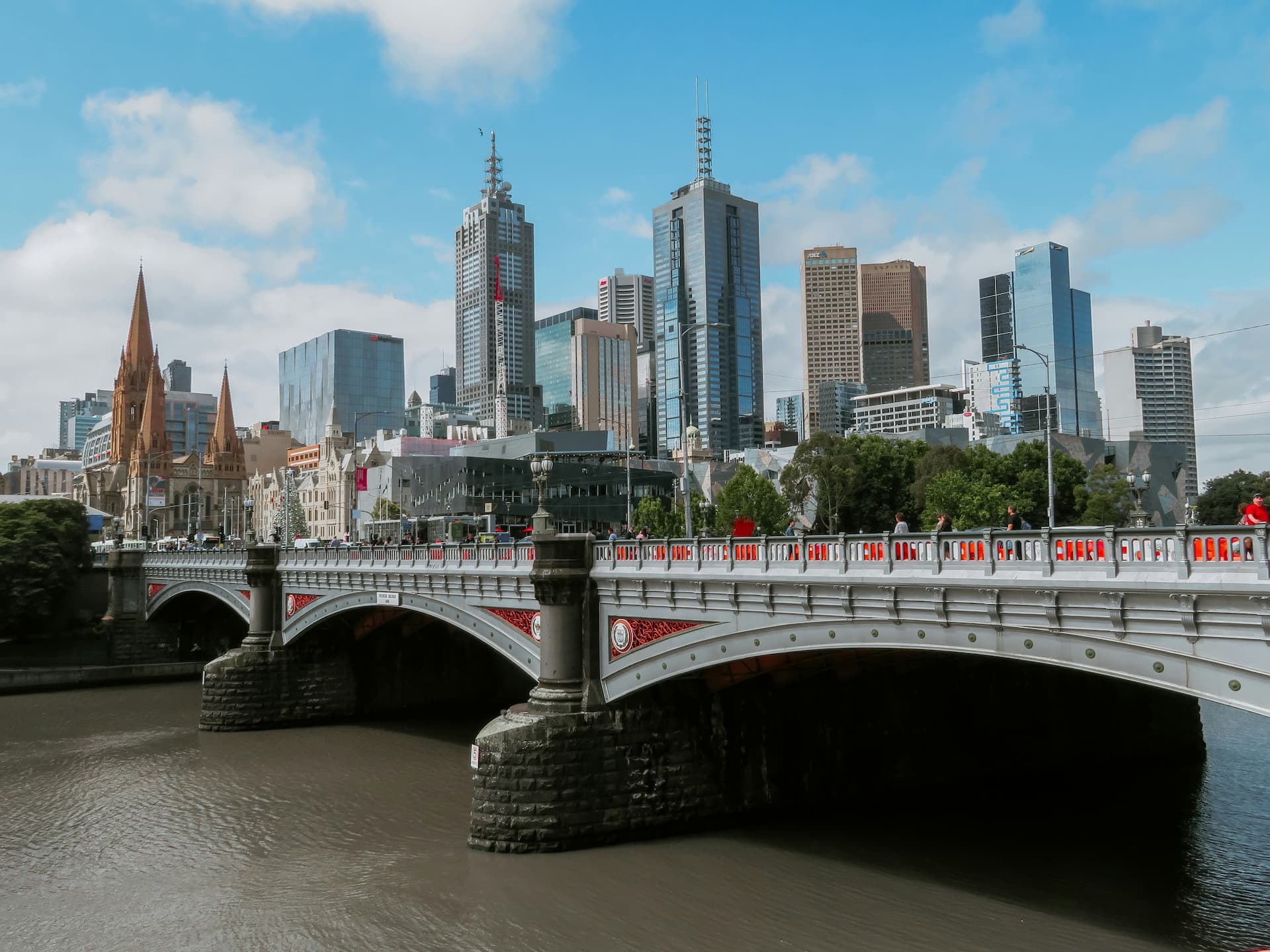
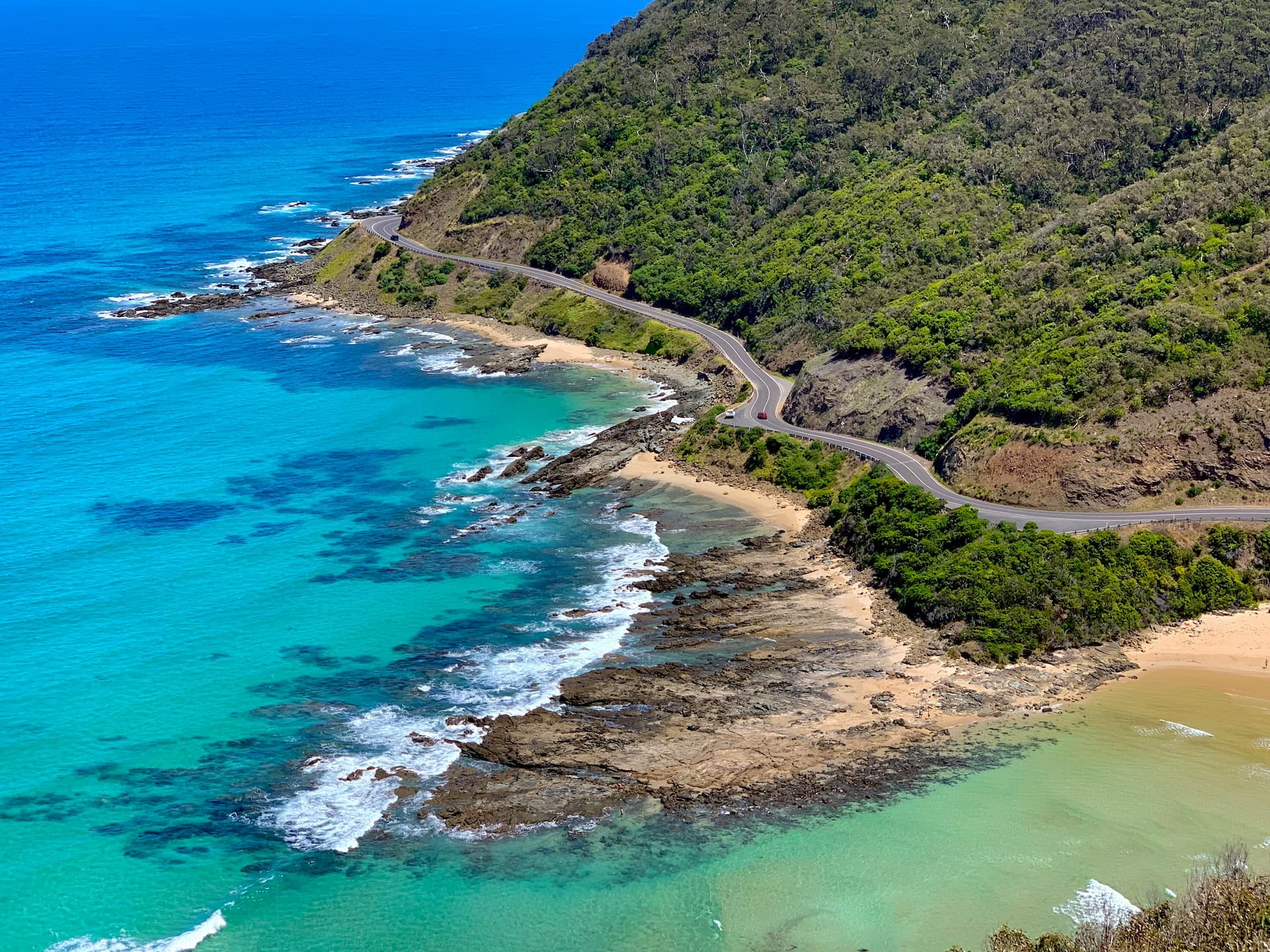
- The Great Ocean Road (near Melbourne) is stunning.
- The winds are calmer, and the daylight hours are long, letting you drive safely until 8 PM.
- Always check distances. Australia is much bigger than it looks on maps.
Best Time Based on What You Want to Do
Best time for Beaches and Coastal Cities
- December to February.
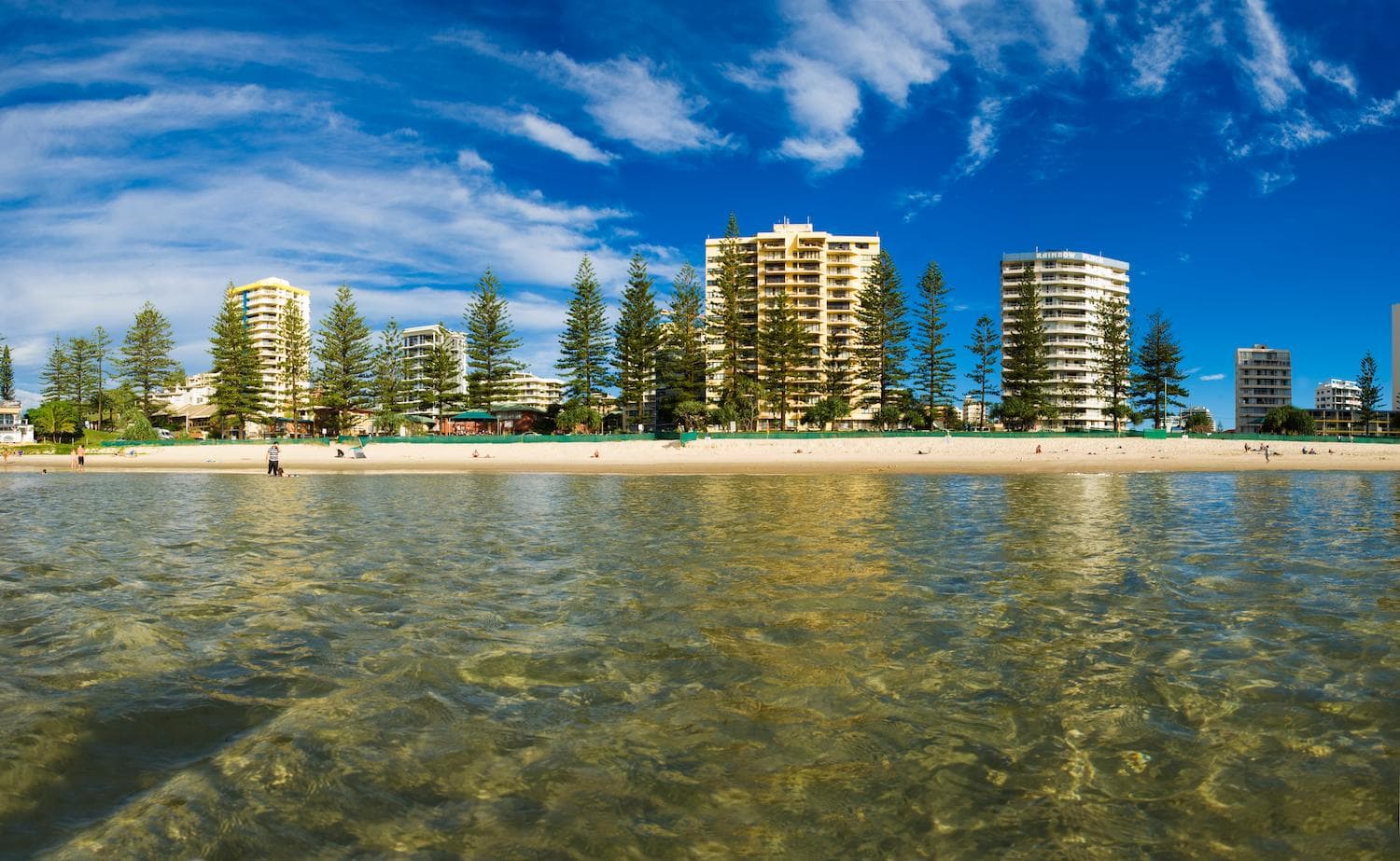
- The best time to travel to Australia is for the sun. If you want the true "Aussie Beach Life," you must go in summer.
- Bondi, Manly, and Surfers Paradise are buzzing with energy.
Best time for City Sightseeing and Icons
- March to May and September to November
- The weather is cool enough to walk across the Sydney Harbour Bridge or explore the streets of Melbourne without sweating.
- Brisbane is pleasant from September to November.
Best time for Wildlife Encounters
- Birdwatching – September to November.
- Whale watching – June to October.
- Koalas and Penguins - Year-round in places like Phillip Island.
Best Time for the Great Barrier Reef
- June to November.
- Dry weather, calm seas, excellent, clear water for seeing underwater.
- Safety: It is NOT "Stinger Season" (jellyfish season), so it is safer to swim without full-body protective suits.
- Best time for snorkelling and diving.
Best Time for Scenic Road Trips
- March to May and September to November.
- Temperatures stay mild, roads are clear, and daylight hours are balanced for long drives.
- The countryside is green, wildflowers are blooming in Western Australia, and the roads are dry and safe.
- June to August is best for a self-drive on the Great Ocean Road. Cooler weather, fewer crowds, and dramatic ocean views. Roads are well-maintained.
Top Tour Packages

Experience Australia With Chef
Sydney (3N), Cairns (2N), Melbourne (3N)
Internal Flight Included
₹2,80,410
per person- Dec
Experience Australia
Sydney (3N), Cairns (2N), Melbourne (3N)
Internal Flight Included
₹2,56,760
per person- Nov

Experience Australia
Sydney (3N), Gold Coast (3N), Cairns (2N), Melbourne (3N)
Main + Internal Flight Included
₹4,34,710
per person- Mar

Australian Discovery Tour
Sydney (3N), Gold Coast (3N), Cairns (2N), Melbourne (3N)
Main + Internal Flight Included
₹4,10,300
per person- Jan

Experience Australia Tour
Melbourne (3N), Cairns (2N), Gold Coast (3N), Sydney (3N)
Main + Internal Flight Included
₹4,66,360
per person- Nov

Experience Australia
Melbourne (3N), Gold Coast (3N), Cairns (2N), Sydney (3N)
Main + Internal Flight Included
₹4,41,570
per person- Dec

New Year in Sydney
Melbourne (3N), Cairns (2N), Gold Coast (3N), Sydney (3N)
Internal Flight Included
₹3,34,460
per person- Dec
Australian Discovery Tour
Melbourne (3N), Cairns (2N), Gold Coast (3N), Sydney (3N)
Main + Internal Flight Included
₹3,92,060
per person- Nov

Experience Australia Tour Perth Special
Perth (3N), Melbourne (3N), Cairns (2N), Sydney (3N)
Main + Internal Flight Included
₹4,77,250
per person- Nov
Australian Dreams
Melbourne (3N), Cairns (3N), Gold Coast (3N), Sydney (3N)
Main + Internal Flight Included
₹4,49,490
per person- Nov

Australian Dreams Tour
Sydney (3N), Cairns (3N), Gold Coast (3N), Melbourne (3N)
Main + Internal Flight Included
₹4,51,490
per person- Nov

Experience Australia and New Zealand with Tranz Alpine Train
Melbourne (3N), Cairns (2N), Sydney (3N), Auckland (1N), Rotorua (2N), Auckland (1N), Queenstown (3N), Franz Josef (1N), Christchurch (1N)
Main + Internal Flight Included
₹6,74,300
per person- Feb

Experience Australia and New Zealand with Tranz Alpine Train
Melbourne (3N), Cairns (2N), Sydney (3N), Auckland (1N), Rotorua (2N), Auckland (1N), Queenstown (3N), Franz Josef (1N), Christchurch (1N)
Main + Internal Flight Included
₹6,82,060
per person- Mar

Experience New Zealand and Australia
Auckland (1N), Rotorua (2N), Auckland (1N), Queenstown (3N), Twizel (1N), Christchurch (1N), Sydney (3N), Cairns (2N), Melbourne (3N)
Main + Internal Flight Included
₹6,81,550
per person- Jan

Experience New Zealand & Australia With Chef
Christchurch (2N), Queenstown (3N), Auckland (1N), Rotorua (2N), Auckland (1N), Sydney (3N), Cairns (2N), Melbourne (3N)
Main + Internal Flight Included
₹6,99,950
per person- Jan
Experience New Zealand and Australia with Tranzalpine Train with Chef
Auckland (1N), Rotorua (2N), Auckland (1N), Queenstown (3N), Franz Josef (1N), Christchurch (1N), Sydney (3N), Cairns (2N), Melbourne (3N)
Main + Internal Flight Included
₹7,13,840
per person- Mar

Experience Australia And New Zealand With Chef
Melbourne (3N), Cairns (2N), Sydney (3N), Auckland (1N), Rotorua (2N), Auckland (1N), Queenstown (3N), Twizel (1N), Christchurch (1N)
Main + Internal Flight Included
₹7,14,090
per person- Jan

Experience Australia & New Zealand Ex Bom - Return Bom
Sydney (3N), Cairns (2N), Melbourne (3N), Christchurch (2N), Queenstown (3N), Auckland (1N), Rotorua (2N), Auckland (1N)
Main + Internal Flight Included
₹6,66,440
per person- Nov

Experience Australia & New Zealand Ex BOM - Return AMD
Sydney (3N), Cairns (2N), Melbourne (3N), Christchurch (2N), Queenstown (3N), Auckland (1N), Rotorua (2N), Auckland (1N)
Main + Internal Flight Included
₹6,68,440
per person- Nov

Experience New Zealand & Australia With Tranzalpine Train With Chef
Auckland (1N), Rotorua (2N), Auckland (1N), Queenstown (3N), Franz Josef (1N), Christchurch (1N), Sydney (3N), Cairns (2N), Melbourne (3N)
Main + Internal Flight Included
₹7,11,330
per person- Nov
Experience Australia And New Zealand with Chef
Melbourne (3N), Cairns (2N), Sydney (3N), Auckland (1N), Rotorua (2N), Auckland (1N), Queenstown (3N), Franz Josef (1N), Christchurch (2N)
Main + Internal Flight Included
₹7,42,460
per person- Dec
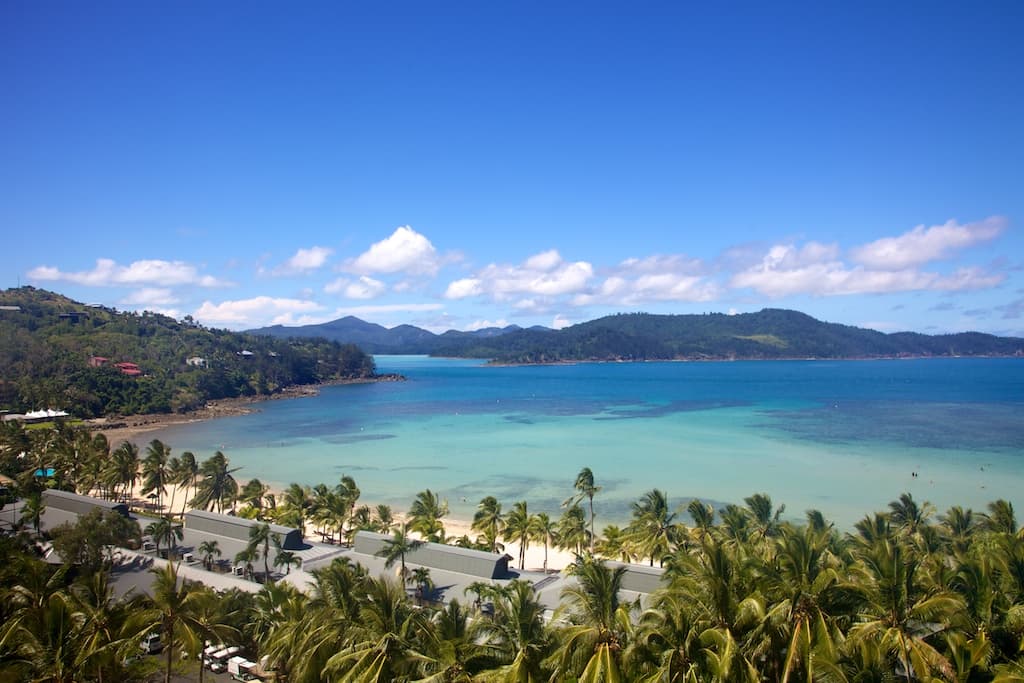
Amazing Queensland
Cairns (3N), Brisbane (3N), Gold Coast (3N), Hamilton Island (3N)
Flight Not Included
₹1,75,680
per person- Valid upto 30 Sep 2027
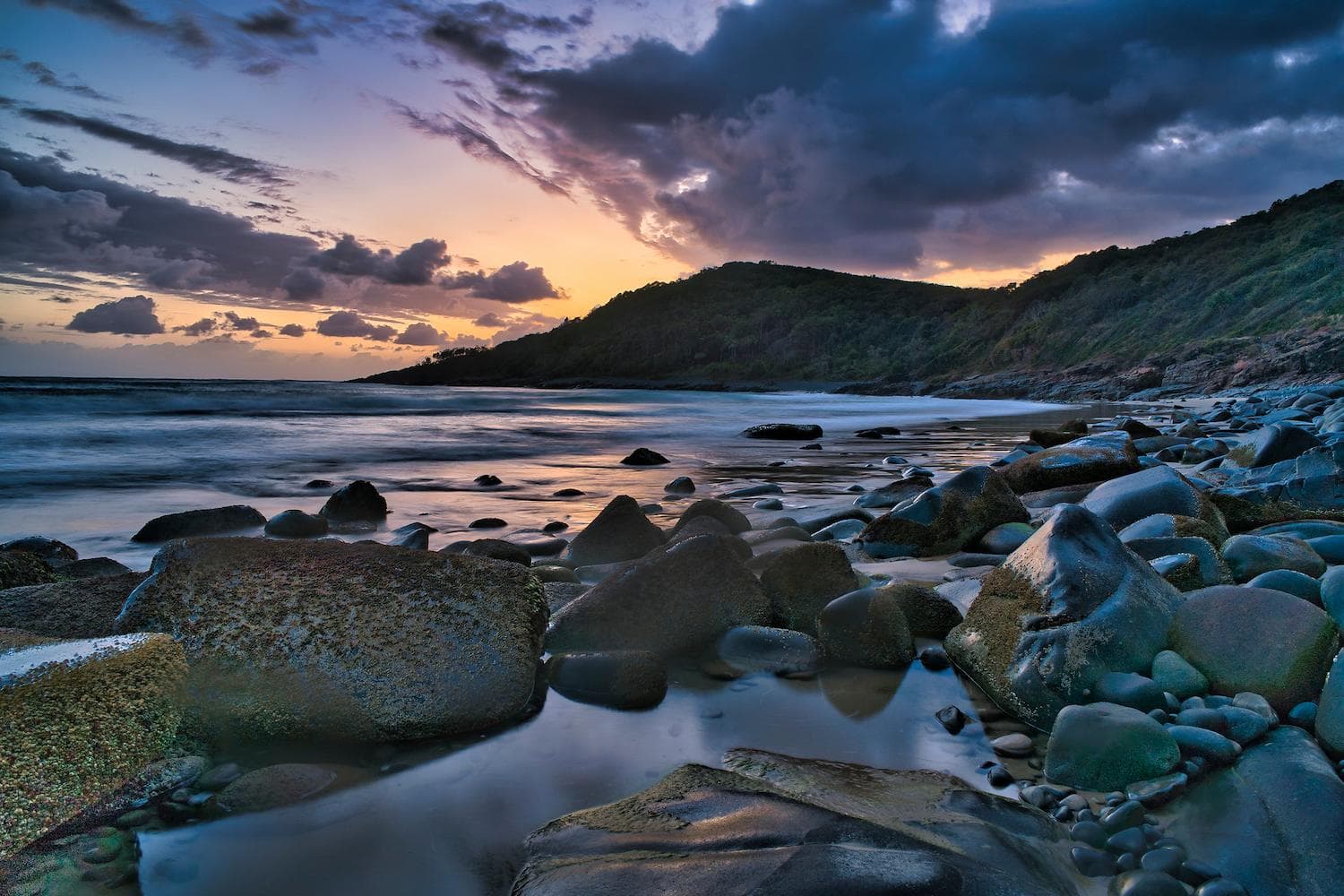
Brisbane to Sunshine Coast
Noosa Heads (2N), Mooloolaba (1N)
Flight Not Included
₹62,170
per person- Valid upto 30 Sep 2027

Highlights of Australia
Gold Coast (3N), Melbourne (3N), Sydney (3N)
Main + Internal Flight Included
₹1,75,410
per person- Valid upto 30 Sep 2027


Senior Citizen Special Australia
Sydney (3N), Cairns (3N), Melbourne (4N)
Flight Not Included
₹1,97,100
per person- Valid upto 30 Sep 2027
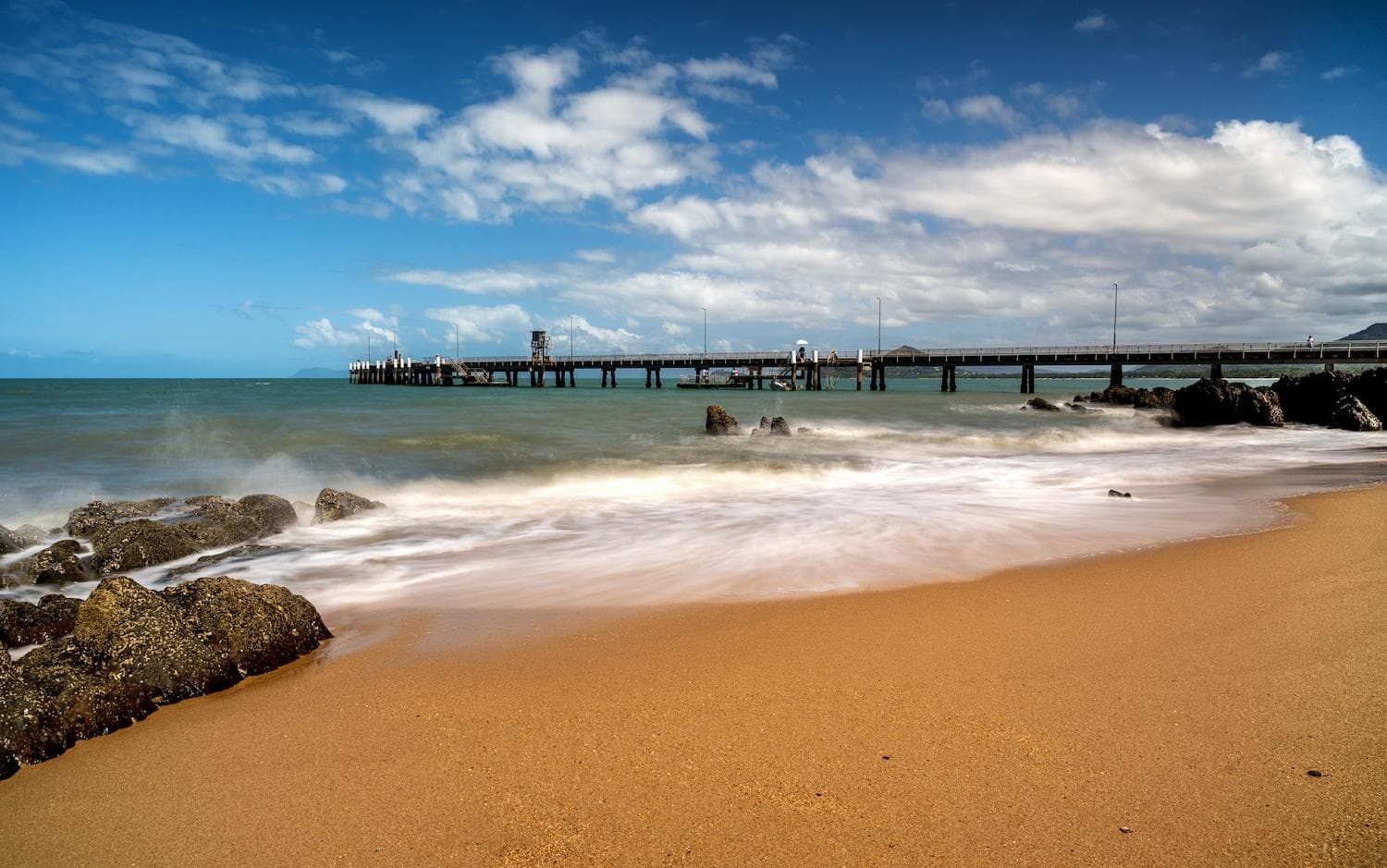
Highlights Of Queensland
Brisbane (2N), Gold Coast (3N), Cairns (3N)
Flight Not Included
₹2,09,460
per person- Valid upto 30 Sep 2027

Cairns to Cape Tribulation Self Drive
Port Douglas (2N), Cairns (1N)
Flight Not Included
₹1,00,950
per person- Valid upto 30 Sep 2027

Senior Citizen Special Australia - Private Basis
Sydney (3N), Cairns (3N), Melbourne (3N)
Flight Not Included
₹2,54,330
per person- Valid upto 30 Sep 2027
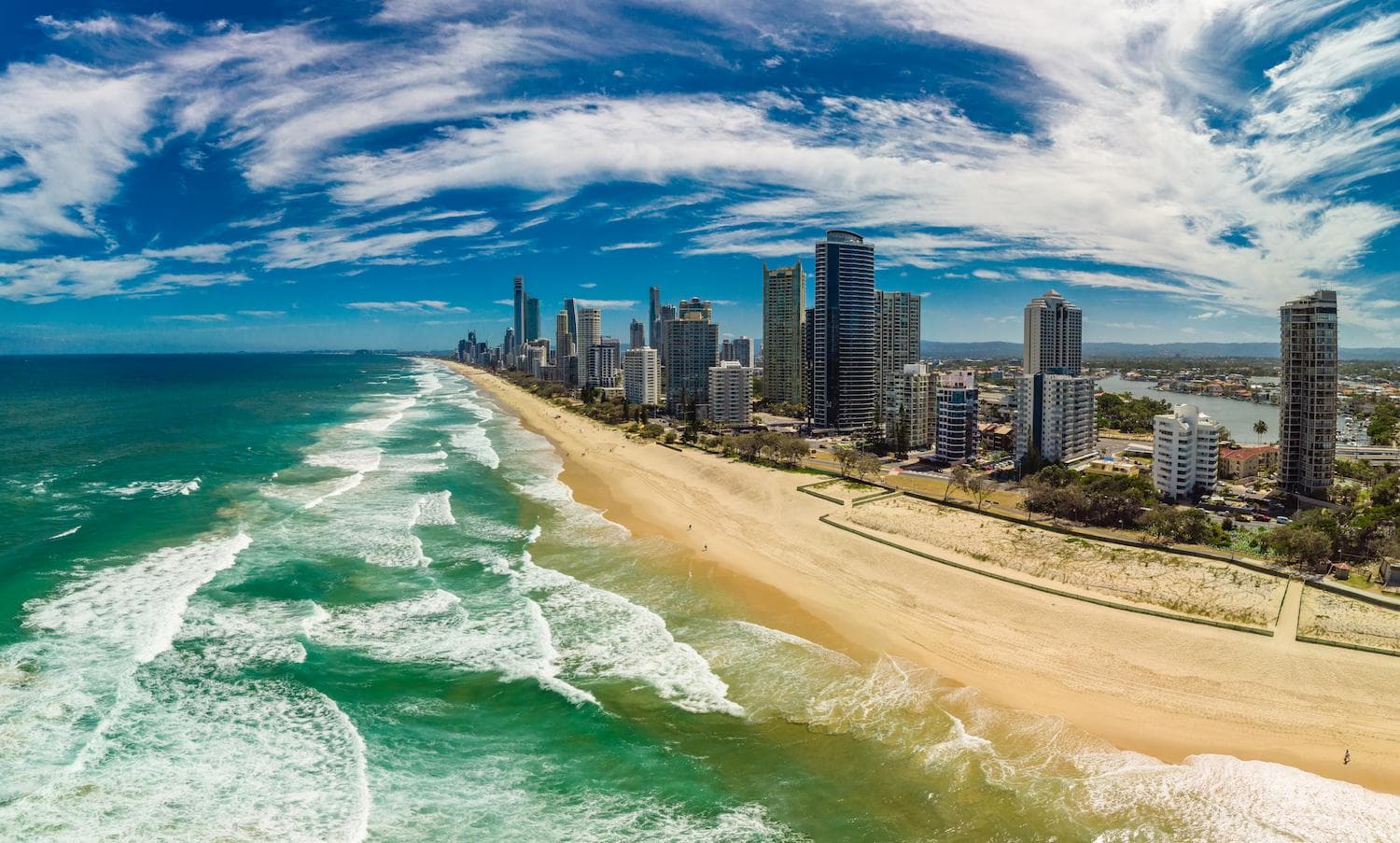
Honeymoon In Australia
Gold Coast (3N), Melbourne (3N), Cairns (3N), Sydney (3N)
Flight Not Included
₹2,23,990
per person- Valid upto 30 Sep 2027

Fabulous Queensland
Tangalooma (2N), Gold Coast (2N), Cairns (3N)
Flight Not Included
₹1,62,170
per person- Valid upto 30 Sep 2027

Spectacular Sydney With Canberra & Melbourne by Coach
Sydney (2N), Canberra (2N), Melbourne (2N)
Flight Not Included
₹1,01,900
per person- Valid upto 30 Sep 2027

Amazing Australia With Heavenly Hamilton
Gold Coast (4N), Hamilton Island (3N), Sydney (4N), Melbourne (2N), Melbourne (1N)
Flight Not Included
₹3,06,560
per person- Valid upto 30 Sep 2027

Gold Coast With Fraser Island
Fraser Island (2N), Gold Coast (3N)
Flight Not Included
₹1,35,210
per person- Valid upto 30 Sep 2027
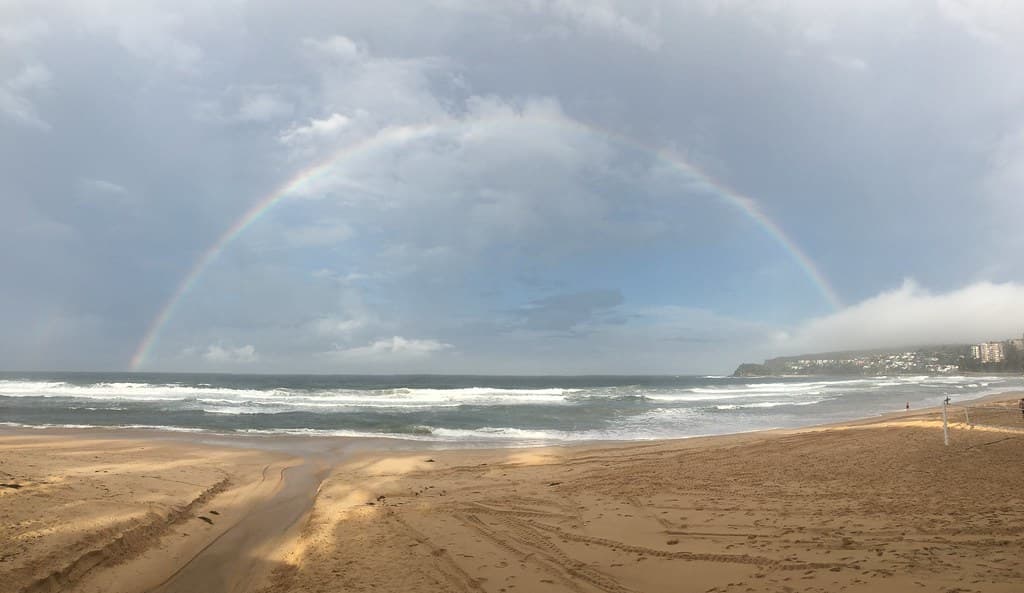
Sunshine Coast with Montville
Montville (2N), Noosa Heads (1N)
Flight Not Included
₹88,250
per person- Valid upto 30 Sep 2027
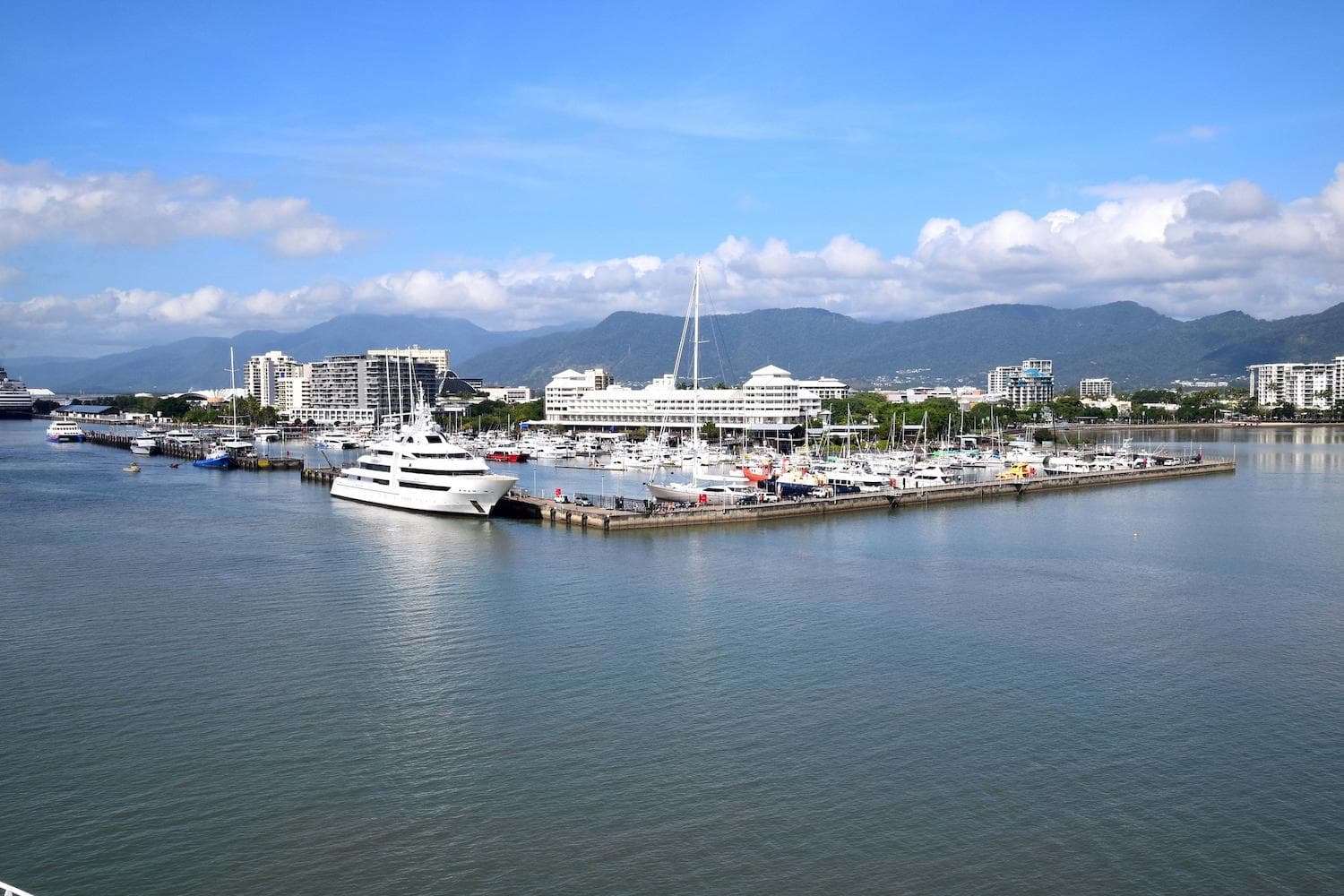
Majestic Melbourne With Alice Springs And Uluru
Melbourne (3N), Alice springs (2N), Kings canyon (1N), Ayers Rock (2N), Sydney (3N)
Flight Not Included
₹2,25,070
per person- Valid upto 30 Sep 2027

Adventurous Tasmania
Hobart (1N), Freycinet (2N), Cradle Mountain (2N), Launceston (1N)
Flight Not Included
₹1,43,250
per person- Valid upto 30 Sep 2027

Beautiful City Life Of Perth– Adelaide & Melbourne
Perth (3N), Adelaide (3N), Melbourne (3N)
Flight Not Included
₹1,24,800
per person- Valid upto 30 Sep 2027

Family Fun Australia
Gold Coast (3N), Melbourne (3N), Cairns (3N), Sydney (3N)
Flight Not Included
₹2,62,370
per person- Valid upto 30 Sep 2027
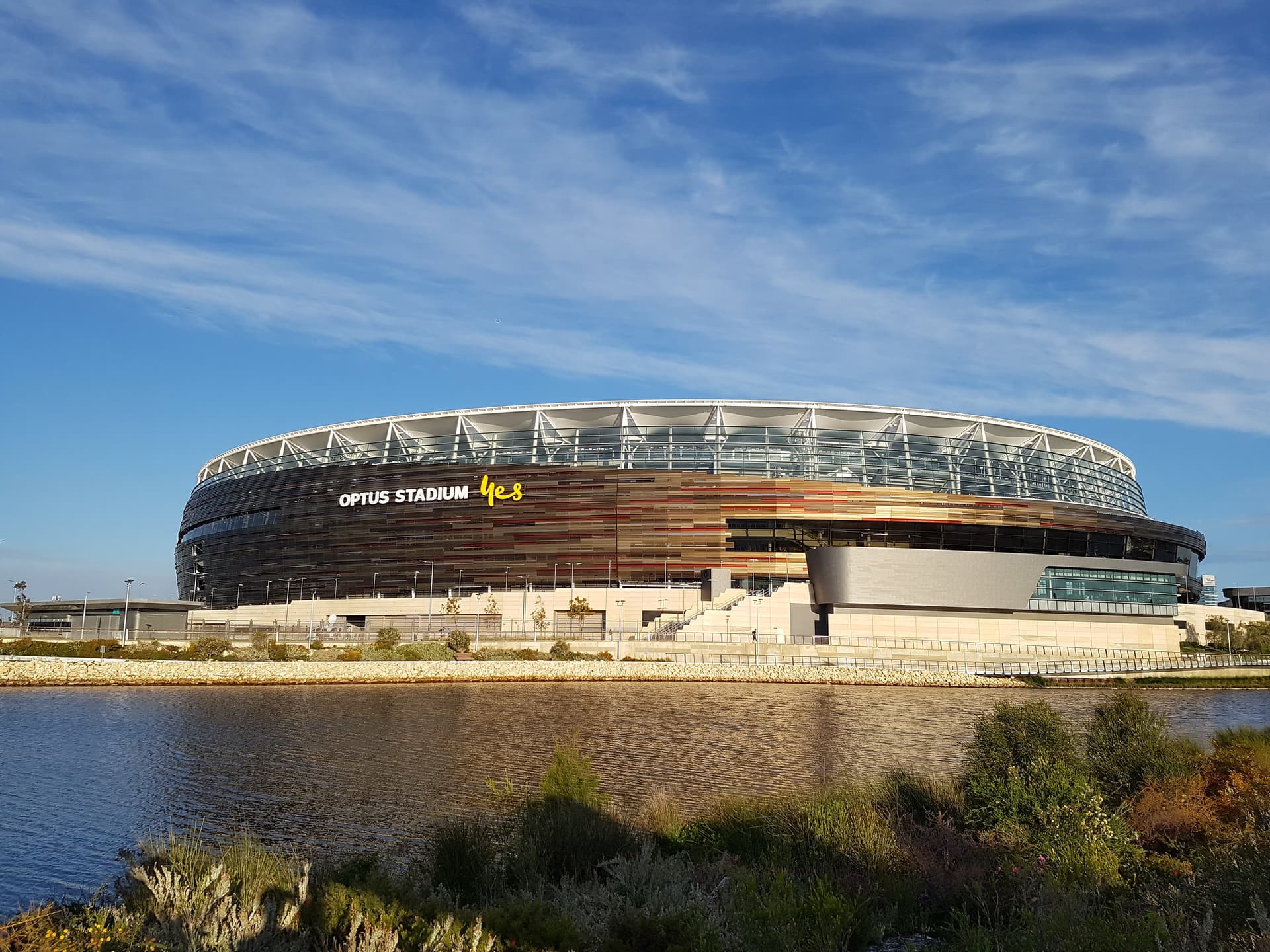
Best Of Western Australia
Perth (2N), Busselton (1N), Margarte river (1N), Augusta (1N), Perth (1N)
Flight Not Included
₹68,320
per person- Valid upto 30 Sep 2027

Melbourne & Surrounds
Melbourne (1N), Yarra valley (1N), Philip island (2N), Mornington Peninsula (1N), Melbourne (2N)
Flight Not Included
₹99,670
per person- Valid upto 30 Sep 2027

Australian Experience - Melbourne & Sydney - Coach
Melbourne (3N), Flight (1N), Sydney (3N)
Flight Not Included
₹1,10,410
per person- Valid upto 30 Sep 2027

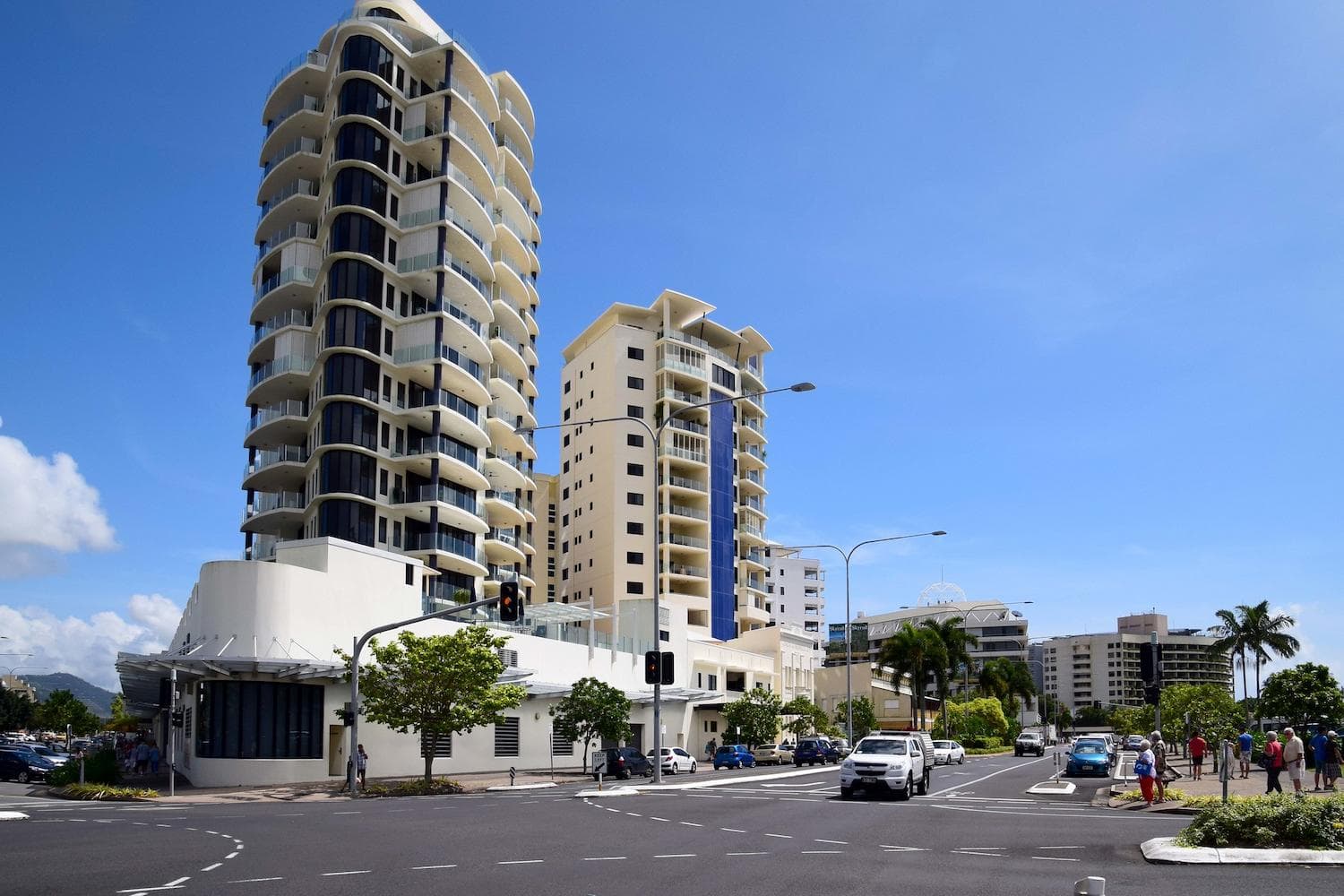
Australia Saver Tour – MEL – CNS – SYD – SIC
Melbourne (3N), Cairns (3N), Sydney (3N)
Flight Not Included
₹1,50,340
per person- Valid upto 31 May 2027
Australia Saver Tour – MEL – OOL – SYD – Private
Melbourne (3N), Gold Coast (3N), Sydney (3N)
Flight Not Included
₹1,52,030
per person- Valid upto 31 May 2027
Australia Saver Tour – MEL – CNS – SYD – Private
Melbourne (3N), Cairns (3N), Sydney (3N)
Flight Not Included
₹1,52,030
per person- Valid upto 31 May 2027

Australia Saver Tour – MEL – OOL – SYD – SIC
Melbourne (3N), Gold Coast (3N), Sydney (3N)
Flight Not Included
₹1,55,410
per person- Valid upto 31 May 2027
Australia Saver Tour – OOL – CNS – SYD – Private
Gold Coast (3N), Cairns (3N), Sydney (3N)
Flight Not Included
₹1,57,100
per person- Valid upto 31 May 2027

Australia Saver Tour – OOL – CNS – SYD – SIC
Gold Coast (3N), Cairns (3N), Sydney (3N)
Flight Not Included
₹1,63,860
per person- Valid upto 31 May 2027
Experience Australia With Chef
Melbourne (3N), Cairns (2N), Sydney (3N)
Internal Flight Included
₹2,70,280
per person- Jan
Experience Australia
Melbourne (3N), Cairns (2N), Sydney (3N)
Internal Flight Included
₹2,70,280
per person- Feb
Experience Australia
Melbourne (3N), Cairns (2N), Sydney (3N)
Internal Flight Included
₹2,70,280
per person- Mar

Experience Australia
Sydney (3N), Cairns (2N), Melbourne (3N)
Internal Flight Included
₹2,77,030
per person- Jan
Experience Australia With Chef
Melbourne (3N), Cairns (2N), Sydney (3N)
Internal Flight Included
₹2,77,030
per person- Dec

Experience Australia with Chef
Sydney (3N), Cairns (2N), Melbourne (3N)
Internal Flight Included
₹2,90,550
per person- Mar
Experience Australia With Chef
Melbourne (3N), Cairns (2N), Sydney (3N)
Internal Flight Included
₹2,93,920
per person- Jan
Australia Fixed Departure-Diwali Special-SIC
Melbourne (3N), Cairns (3N), Gold Coast (3N), Sydney (3N)
Main Flight Included
₹2,99,190
per person- Valid upto 08 Nov 2026
Experience Australia with chef
Melbourne (3N), Gold Coast (3N), Cairns (2N), Sydney (3N)
Internal Flight Included
₹3,17,570
per person- Dec
Experience Australia With Chef
Sydney (3N), Cairns (2N), Melbourne (3N)
Internal Flight Included
₹3,61,490
per person- Feb
Australian Discovery Tour
Melbourne (3N), Gold Coast (3N), Cairns (2N), Sydney (3N)
Main + Internal Flight Included
₹4,09,060
per person- Apr
- May
Experience Australia
Sydney (3N), Cairns (2N), Gold Coast (3N), Melbourne (3N)
Main + Internal Flight Included
₹4,45,220
per person- May
Australian Dreams
Melbourne (3N), Gold Coast (3N), Cairns (3N), Sydney (3N)
Main + Internal Flight Included
₹4,87,000
per person- May

Naturally New Zealand With Amazing Australia with Chef
Auckland (1N), Rotorua (2N), Auckland (1N), Queenstown (3N), Franz Josef (1N), Christchurch (1N), Sydney (3N), Cairns (2N), Melbourne (3N)
Internal Flight Included
₹5,84,460
per person- Feb

Experience New Zealand And Australia With Chef
Auckland (1N), Rotorua (2N), Auckland (1N), Christchurch (2N), Queenstown (3N), Sydney (3N), Cairns (2N), Melbourne (3N)
Main + Internal Flight Included
₹7,13,460
per person- Mar
Happy Travellers
Memorable Spain And Portugal Journey with Flamingo
MS.Shilpa Parikh

Amazing USA West Coast Journey with Flamingo
MR.Atul Patt

Memorable Dubai Tour Experience
MR.Nitin Jariwala
Our Dubai tour was truly memorable. The hotel was good & the food was also good. Our Tour Manager Akbar Bhai had a very friendly and approachable nature. He provided quick responses to all queries. He offered excellent guidance for our visits, giving instructions repeatedly and on time to everyone. He also gave helpful guidance for shopping and purchases.

Memorable Spain And Portugal Tour with Flamingo Travels
MR. Bharat Patel
Great And Wonderful Vacation with Flamingo Travels
MR .Govind Patel

Memorable Spain And Portugal Vacation with Flamingo
MR. Jagdish Patel

Wonderful Spain And Portugal Trip with Perfect Planning And Execution
MR. Kaushik Patel

Incredible Spain And Portugal Journey with Wonderful Memories
MR. Virendra Patel

Amazing Spain And Portugal Tour Experience with Flamingo Travels
MR. Pankaj Patel

Knowledgeable Caring Tour Manager With Flamingo Travels
MR. Rohit Patel

Trending travel articles

Summary: China doesn’t offer visa-on-arrival, an e-visa, or any short-stay exemption for Indian passport holders – every Indian traveller needs to apply in advance, and for a holiday, that means the L visa. The exact China visa requirements for Indian citizens depend on the purpose of travel and the applicant’s circumstances. This blog covers the […]

Summary: Planning a Europe trip from India? This blog covers the key Europe visa requirements for Indian citizens travelling to the Schengen Area in 2026, including documents, application timelines, fees, and the process for multi-country trips. It also explains the latest 2026 travel changes and how Flamingo can assist with your Schengen visa application. Planning […]

Summary: This weekend travel guide has all that a traveller needs to know. It covers 7 budget-friendly weekend getaways from Mumbai, along with essential information such as travel time, costs, and what to expect. Hopefully, it will help you plan an affordable, short, and beautiful weekend trip. Mumbai, the City of Dreams, is also one […]

Summary: This quick, complete, and practical guide to food in Sri Lanka covers everything from rice and curry to hoppers, Lamprais, and wood apple juice, along with where to find them and practical tips to help you navigate the island’s cuisine with ease. Quick Food Guide ? Vegetarian | ? Non-Vegetarian | ?? Available in […]
Summary: Yes, it’s possible to explore South Africa on a budget. A South Africa tour package under 2 lakh often cover the core of your trip – hotels, transport, and sightseeing. Your overall travel budget may vary depending on flight fares, visa fees, and personal expenses. This blog explains what the package covers and the […]

Summary: Goa isn’t the same trip for everyone, and this 5-days Goa itinerary is designed for first-timers who want to see enough without rushing. From choosing between North and South Goa to beaches, local food, sightseeing, and practical travel tips, this blog helps you make the most of your holiday while leaving enough time to […]

Summary: Switzerland is one of the few places where the train journey is as beautiful as the destination. This blog covers the best Switzerland Romantic Train Journeys, from the scenic Glacier Express to the Bernina Express. Discover whether the Swiss Travel Pass is worth it, the best time to travel, and useful tips to help […]

Summary: The monsoon turns the landscapes and destinations around Bangalore into a paradise of misty hills, roaring waterfalls and lush forests, making it the perfect season for a quick escape. From scenic road trips to coffee plantation stays and adventurous treks, these weekend getaways from Bangalore have something for every kind of traveller. Monsoon brings […]

Summary: Dreaming of an international holiday on a budget? This blog covers the cheapest Asian countries to visit from India in 2026 -27, where you can enjoy a 4 Nights/5 Days trip for around ?50,000 per person. Compare travel costs, visa rules, best time to visit, and find the destination that suits your budget and […]
Summary: A trip to Udaipur is best enjoyed when you do not have to rush from one place to another. This 3-day Udaipur travel itinerary gives you enough time to explore the city’s beautiful palaces, peaceful lakes, local markets, and old streets at a leisurely pace. Whether you are travelling with family, your partner, or […]