History & Culture in Himachal Pradesh

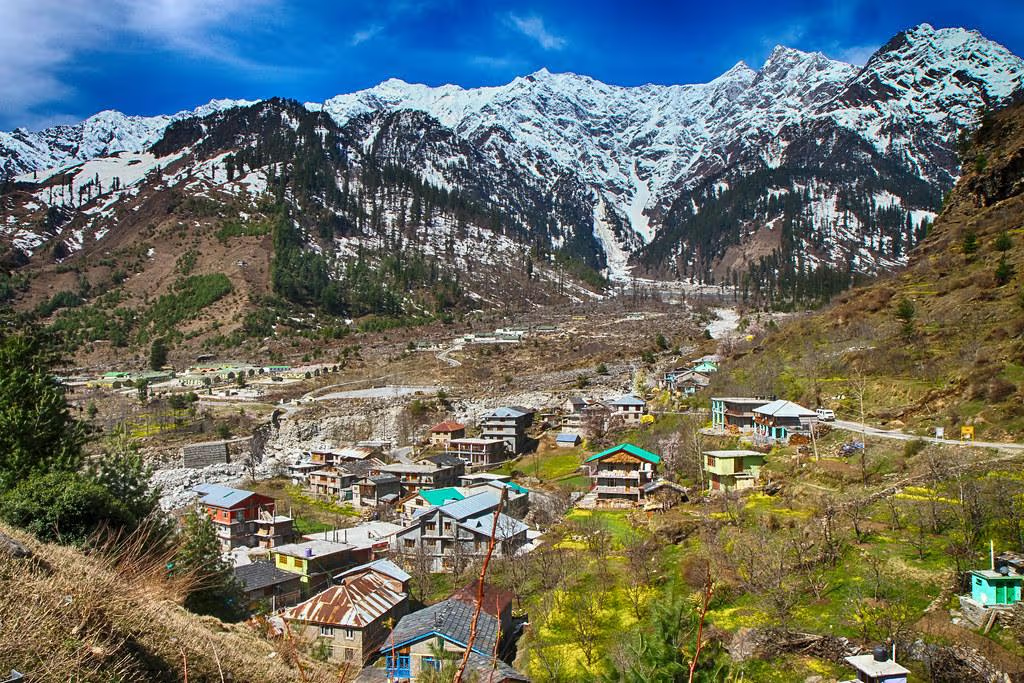
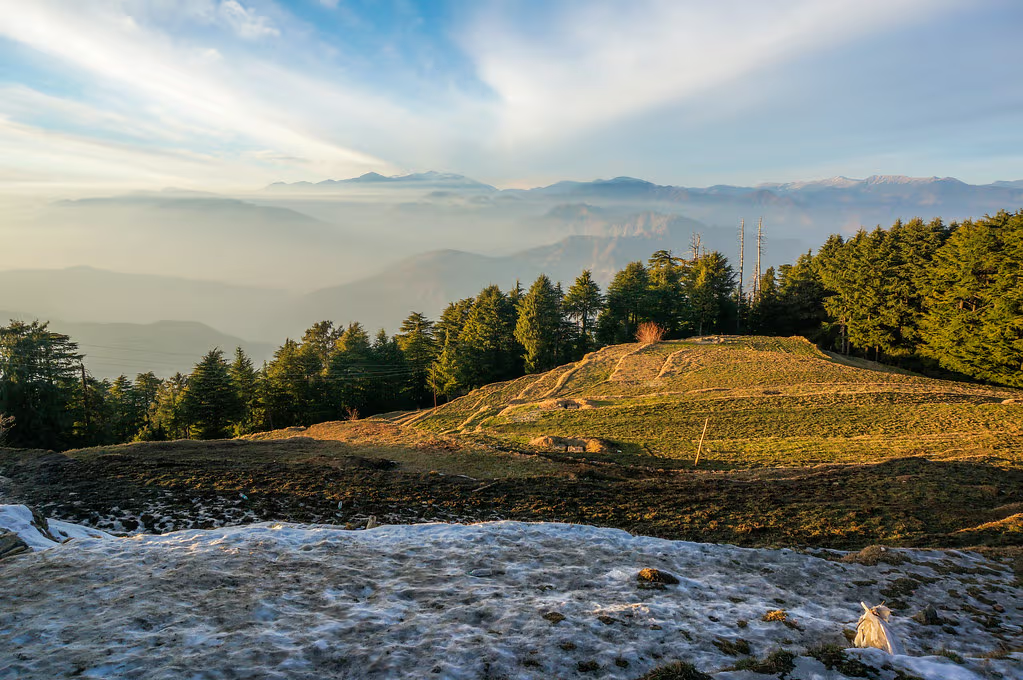
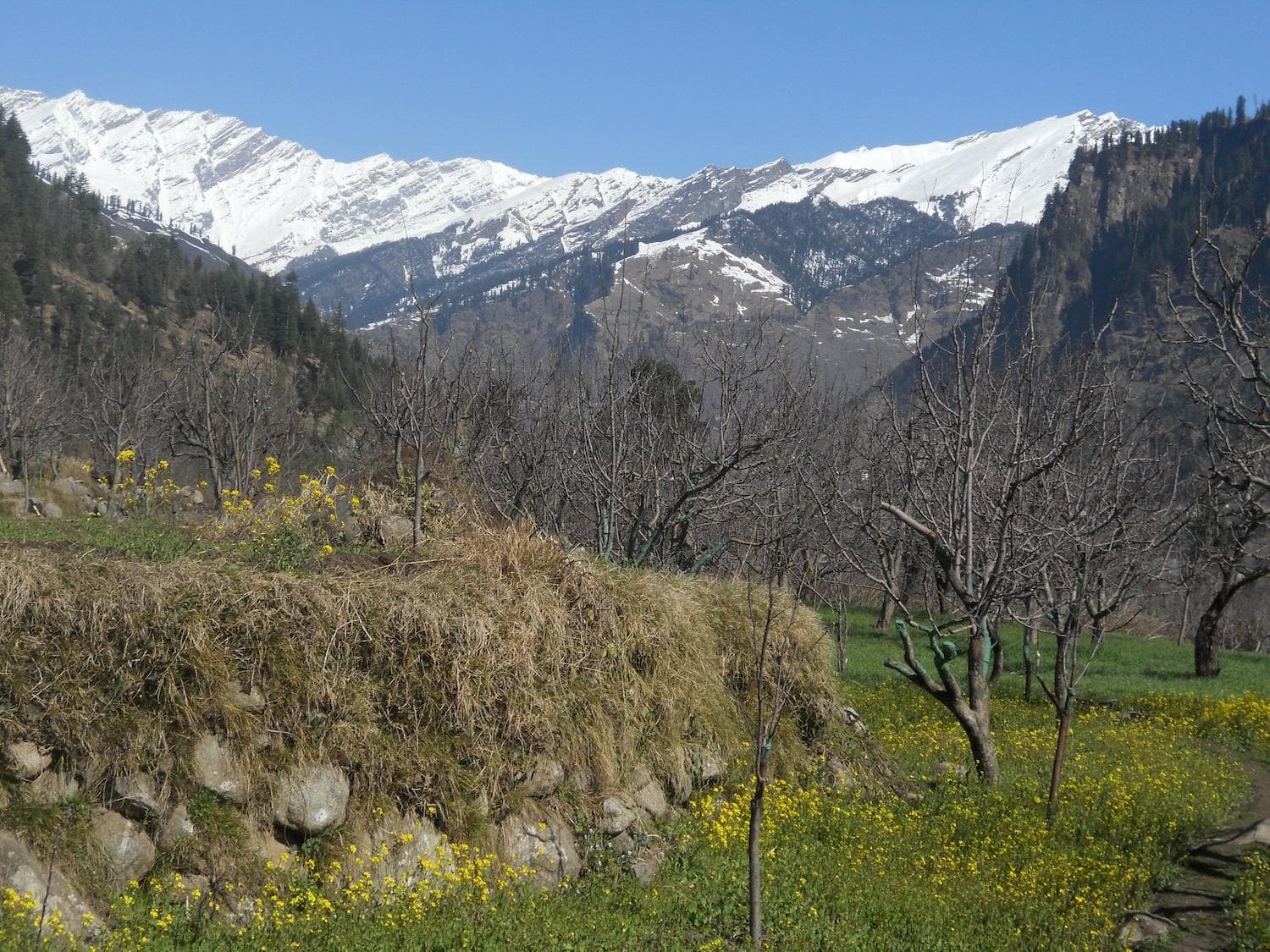
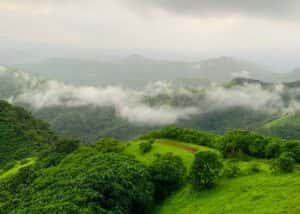
Located in the lap of the Himalayas, Himachal Pradesh is known not only for its scenic beauty but also for its rich cultural identity shaped by tribal communities, royal kingdoms, temples, fairs, folk music, and local traditions that still thrive today. Himachal Pradesh has a history as layered and deep as its mountain valleys. From ancient tribes to the Mughal era to British hill stations - Himachal Pradesh has it all – in every temple, village, and tradition.

Explore this beautiful North Indian state with our Himachal Pradesh tour packages. Discovering the culture of Himachal Pradesh makes the journey more meaningful and memorable.

A Brief History

The Himachal Pradesh history is layered and deep as its mountain valleys. It dates back thousands of years and is deeply connected with ancient kingdoms, Hindu mythology, Buddhism, and colonial influence.

Ancient Roots and Mythological Importance

Many regions of Himachal Pradesh are mentioned in ancient Hindu texts like the Mahabharata and Puranas. Locals often say that many sadhus once meditated in these Himalayan valleys. Places such as Kullu, Manali, Chamba, and Kinnaur hold strong cultural and mythological importance. According to local beliefs, the Pandavas spent part of their exile in the Himalayan regions of Himachal Pradesh.

Hill Kingdoms and Regional Rulers

Over time, the region developed into several small hill kingdoms and princely states, including Chamba, Kangra, Mandi, Bushahr, Kullu, and Sirmaur. Each kingdom had its own ruler, language, and customs. That is why even today, every part of Himachal Pradesh feels a little different from the next. The rulers supported temple construction, miniature painting traditions, handicrafts, and local festivals.

Medieval Trade and Cultural Exchange

During the medieval era, Himachal Pradesh was an important corridor for trade between India, Tibet, and Central Asia. Trade, religion, and different cultures helped shape regions like Lahaul-Spiti and Kinnaur, where Buddhist traditions are still an important part of life today. Kangra Fort, one of the oldest forts in India, has been an important seat of power for many rulers across different periods of history.

British Era

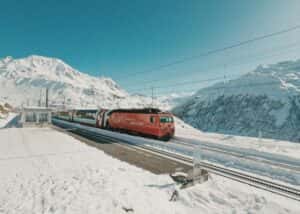
The British found the cool climate of Himachal very appealing. Shimla was declared the summer capital of British India in 1864. During British rule, hill stations such as Shimla, Dalhousie, and Dharamshala gained administrative importance. Roads were built, and the Kalka-Shimla Railway was laid, which is now a UNESCO World Heritage Site. Colonial-era churches, schools, and buildings still add a unique historical charm to the state.

After Independence

Himachal Pradesh became a Union Territory in 1948 and later achieved full statehood on 25 January 1971. Today, the state is known for nature conservation, balancing tourism, traditional culture, and modern development while preserving its mountain identity.

Communities and Traditions of Himachal Pradesh

The Himachal Pradesh culture is shaped by different communities, tribal groups, languages, and mountain traditions. Every valley in the state has its own customs, celebrations, and way of life.

Tribal Communities of Himachal Pradesh

Several tribal communities live in the higher Himalayan regions of Kinnaur, Lahaul-Spiti, Chamba, and parts of Kangra. Communities such as the Gaddis, Kinnauras, Gujjars, and Lahaulis have traditionally been connected with farming, animal husbandry, wool weaving, and seasonal migration. Their customs, festivals, and handicrafts continue to preserve the cultural identity of the Himalayan region. These communities have preserved many ancient traditions despite modern changes.

Traditional Lifestyle in the Hills

Life in Himachal Pradesh is deeply connected with nature and seasons. Most people in Himachal still live in villages. Life revolves around farming, local festivals, and tight-knit family structures. Elders are respected, and traditions are passed down through stories and songs rather than books. In many villages, people still follow traditional farming methods and community-based living. For most travellers, it is the warmth and simplicity of the people here that leaves the biggest impression.

Folk Music and Dance Traditions

Music and dance are central to the culture of Himachal Pradesh. Every region of the state has its own distinct dance form — shaped by its geography, community, and local traditions. Whether it is a wedding, a harvest, a village fair, or a religious festival, celebrations here are rarely complete without song and dance.

Nati - The Dance of Himachal

Nati is the most popular and widely loved folk dance of Himachal Pradesh. Performed in large circles with hands linked together, Nati brings people of all ages together in a shared rhythm. It is performed at fairs, festivals, and celebrations. Nati holds a Guinness World Record for the largest folk dance. It was achieved on 26 October 2015, when 9,892 participants danced together in traditional dress during the International Dussehra festival in Kullu.
Regional variations of Nati are Kulluvi, Kinnauri, Sirmauri, and Lahauli. Each form differs in music, costumes, and style depending on the local culture and occasion.

Other Regional Dance Forms of Himachal Pradesh

Himachal Pradesh has many traditional dances, and each one is connected to the culture and beliefs of different local communities. The Losar Shona Chuksam of Kinnaur, the Dangi of Chamba, the Burah and Gee dances of Sirmour, and the Shunto of Lahaul-Spiti are performed during local festivals and special occasions.

Traditional Music of Himachal Pradesh

Folk music holds a strong place in Himachali culture. Traditional musical instruments used in Himachal Pradesh are Dhol, Nagara, Shehnai, Bishudi Karnal, and Ranasingha. Pahari folk songs are sung in local hill dialects and are full of emotion - stories of love, seasons, devotion, and longing. You will hear them at weddings, harvests, and temple gatherings.

Cultural Importance of Music and Dance

Music and dance are not just a form of celebration in Himachal Pradesh - they are how the state keeps its culture alive. In many rural and tribal communities, folk performances are not only a form of entertainment but also a way of passing traditions, stories, and local customs from one generation to another. Even today, no major festival or celebration in Himachal Pradesh feels complete without them.

Religion and Festivals of Himachal Pradesh

Religion plays an important role in daily life across Himachal Pradesh. Temples, monasteries, rituals, and local deities are deeply respected by local communities. What makes this state special is that Hinduism and Buddhism exist here side by side in harmony.

Temples and Spiritual Heritage

Every village in Himachal has its own local deity called a Devta. These are not just religious symbols - they are active presences in village life. Himachal Pradesh is home to many famous temples and pilgrimage sites like Jwala Ji Temple – Kangra, Hadimba Devi Temple – Manali, and Chamunda Devi Temple – Palampur.

Buddhist Influence in Himachal Pradesh

The Lahaul-Spiti region is the Buddhist heart of Himachal Pradesh. Regions like Dharamshala, McLeod Ganj, Spiti Valley, and Lahaul show strong Buddhist influence. Monasteries, prayer flags, meditation traditions, and Tibetan culture create a peaceful spiritual atmosphere in these areas. McLeod Ganj is home to the Dalai Lama and is one of the most important centres of Tibetan Buddhism in the world.

Festivals of Himachal Pradesh

Festivals in Himachal Pradesh are colourful, spiritual, and community-oriented. They bring together music, rituals, dance, and local traditions. Some popular festivals of Himachal Pradesh are as follows.

Kullu Dussehra

It is the most famous festival of Himachal Pradesh. Unlike other parts of India, Dussehra in Kullu is different. More than 300 local Devtas gather in a grand procession in Kullu town to honour Lord Raghunath. It lasts seven days in October and is one of the most spectacular cultural events in North India.

Losar Festival

Losar is the Tibetan New Year. It is celebrated mainly in Buddhist regions in Lahaul, Spiti, and Kinnaur with monastery mask dances (Cham), prayers, and community feasts.

Minjar Fair

A famous cultural fair is celebrated in Chamba during the monsoon season. The festival is linked with the maize harvest, and people offer Minjar tassels into the Ravi River as part of traditional prayers and celebrations.

Shivratri

Mandi is often called Choti Kashi. It hosts a week-long Shivratri festival where hundreds of local deities from nearby regions gather for religious processions, cultural programs, and traditional celebrations.

Food, Dress, and Art of Himachal Pradesh

The art and culture of Himachal Pradesh can also be experienced through its food, traditional clothing, handicrafts, and artistic heritage.

Traditional Food of Himachal Pradesh

Himachali food is simple, filling, and suitable for cold mountain weather. Different regions of Himachal Pradesh have their own food traditions, influenced by climate, local farming, and cultural practices. Food also plays an important role in festivals, weddings, temple gatherings, and community celebrations across the state.

Famous Dishes of Himachal Pradesh

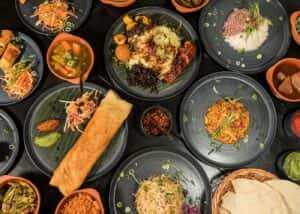
Dham is a traditional festive meal of rice, rajma, madra, and dal, served on leaf plates during weddings and celebrations across the state. Siddu is a steamed wheat bread stuffed with poppy seeds, walnuts, or lentils, best enjoyed hot with a generous serving of ghee. Thupka is a hearty Tibetan-style noodle soup widely eaten across Lahaul-Spiti, especially during the cold winter months. Chha Gosht is a tender lamb slow-cooked in a yogurt-based gravy with local spices, making it one of Himachal's most loved non-vegetarian dishes.

Traditional Dress of Himachal Pradesh

Dress in Himachal varies by region and community.
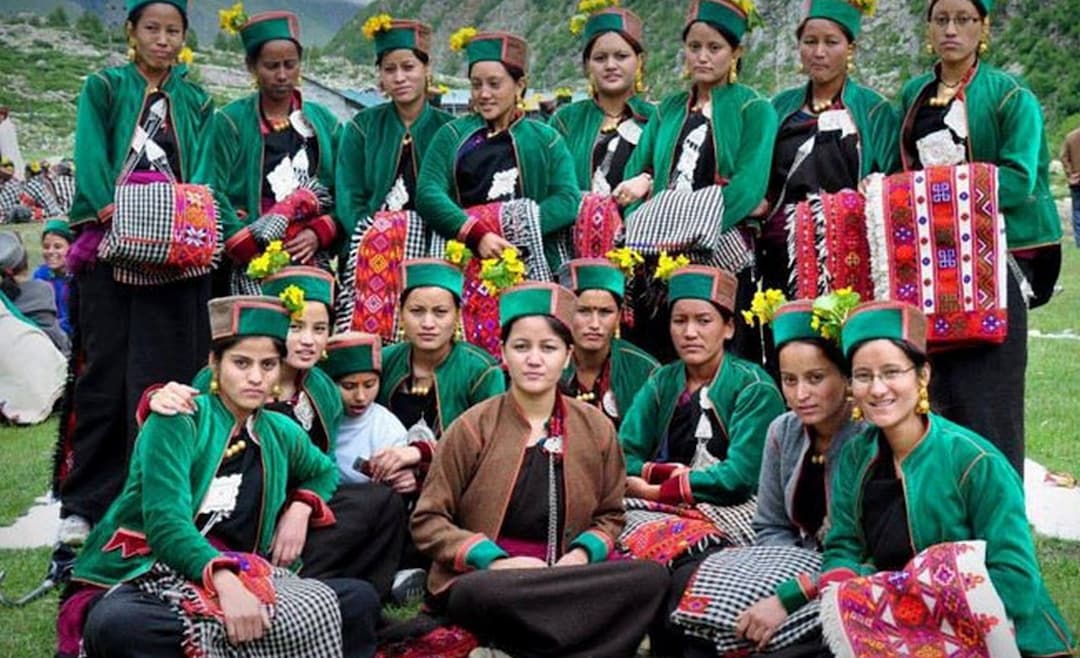
Men often wear woollen caps known as Himachali caps, along with wool jackets and shawls. Himachali Topi is a symbol of identity and pride. Women wear a cap with a green velvet band and a wrap-around woollen dress. Their jewellery often includes coral and turquoise beads — many pieces are generations old. In Spiti and Lahaul, both men and women wear the Goncha - a thick Tibetan-style robe tied at the waist. This is well-suited to the extreme cold of those regions.

Art and Handicrafts of Himachal Pradesh

Himachal Pradesh is known for beautiful handicrafts made by local artisans. The art and crafts of Himachal Pradesh include many unique products. Miniature Paintings are delicate and detailed paintings with soft colours and fine brushwork. Chamba Rumal is a beautifully embroidered cloth from Chamba. It is known for its intricate patterns and bright colours, and traditionally given as a wedding gift. Stone carvings are traditional stone sculptures and structures crafted from local sandstone. Kangra, Mandi, and Chamba are famous for stone carving souvenirs. Kullu Shawl is a woven shawl in bold geometric and floral patterns. It is made from wool, Pashmina, or Angora. The Himachali Cap or Topi is a colourful, handcrafted cap. It is a proud symbol of Himachali identity, worn at weddings, festivals, and celebrations across the state.

What Makes Himachal Pradesh's Culture Unique?
The Himachal Pradesh culture stands out because of its balance between spirituality, simplicity, nature, and tradition.

Unlike many tourist destinations where traditions are mainly performed for visitors, the customs in Himachal continue naturally as part of local life. One of the most unique features of Himachal Pradesh is the peaceful blend of Hindu and Buddhist traditions. The culture of Himachal Pradesh is also strongly shaped by its mountains, climate, and changing seasons. One of the most interesting things about Himachal is how different it feels from one region to the next. The Kangra valley and the Spiti valley are in the same state, but they feel like completely different worlds. Different regions have developed their own traditions, food, clothing, dialects, and festivals over centuries.

And then there are the people. Warm, unhurried, and genuinely welcoming - the pace of life in Himachal has a way of slowing you down. Whether you stay in a village homestay, visit a local fair, or explore a mountain town, the culture of Himachal becomes as memorable as its landscapes.

If you want to experience the true spirit of the Himalayas, our Himachal Pradesh Tour Packages will help you discover both the famous attractions and the hidden cultural gems of the state.

Top tour packages

Happy Travellers

Whatsapp Icon